
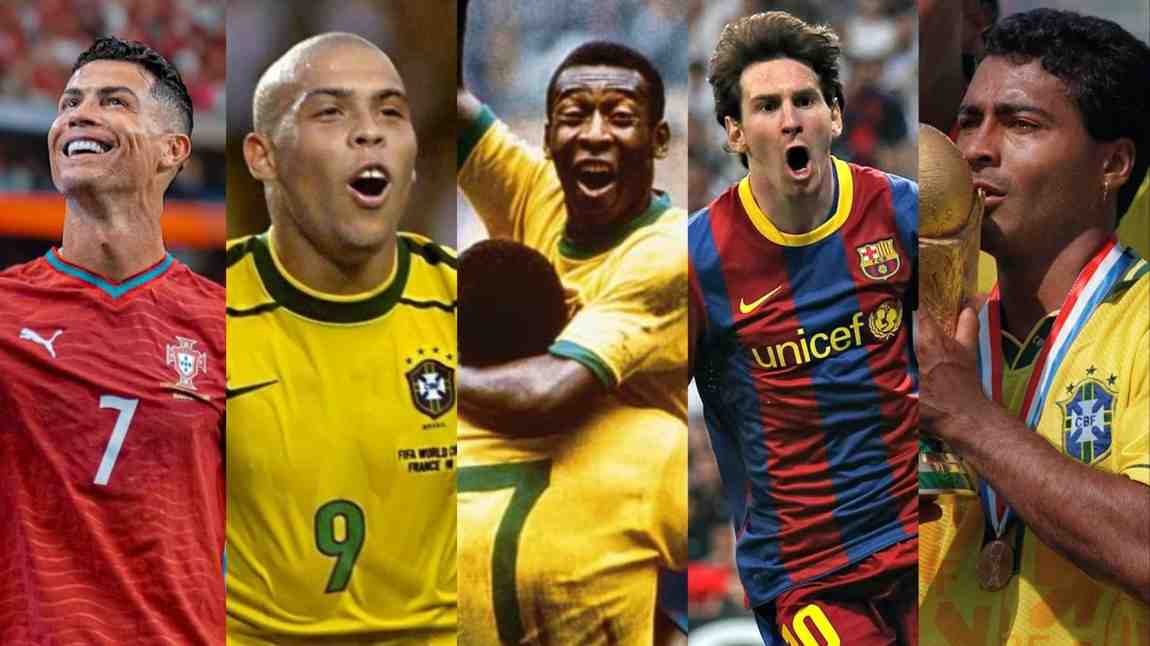
Cristiano Ronaldo is the best football player in the world on this ranking with 976 career goals from a career spanning 2002 to the present.
The ranking covers 25 players from different eras and continents, with Lionel Messi in second, Pelé third, Romário fourth, and Ferenc Puskás fifth. It brings together legends from several generations alongside modern stars.
This list looks beyond career goals to compare individual records, major trophies, scoring efficiency, tactical influence, World Cup impact, and lasting legacy. It also shows what made each player unique, from Ronaldo’s long-term consistency and Messi’s control to Pelé’s World Cup success and Cruyff’s influence on modern football.
The full Top 25 Best Football Players in the World ranking comes next.
Top 25 Best Football Players: The Full Ranking
All 25 players represent several different decades and continents, highlighting the global and historic reach of the list.
| Rank | Player | Career Span | Career Goals | Signature Award / Legacy |
|---|---|---|---|---|
| 1 | Cristiano Ronaldo | 2002–Present | 976 | 5× Ballon d’Or |
| 2 | Lionel Messi | 2004–Present | 921 | 8× Ballon d’Or |
| 3 | Pelé | 1956–1977 | 1279 | 3× FIFA World Cup Champion |
| 4 | Romário | 1985–2009 | 772 | FIFA World Player of the Year (1994) |
| 5 | Ferenc Puskás | 1943–1966 | 806 | FIFA Puskás Award named in his honor |
| 6 | Josef Bican | 1931–1955 | 950 | 12× League Top Scorer |
| 7 | Robert Lewandowski | 2005–Present | 700+ | 2× FIFA Best Men’s Player |
| 8 | Gerd Müller | 1964–1981 | 735 | Ballon d’Or (1970) & 1974 World Cup Winner |
| 9 | Luis Suárez | 2005–Present | 605+ | 2× European Golden Shoe |
| 10 | Eusébio | 1960–1978 | 733+ | Ballon d’Or (1965) |
| 11 | Zlatan Ibrahimović | 1999–2023 | 578 | 3 × Serie A Foreign Footballer of the Year |
| 12 | Fernando Peyroteo | 1937–1949 | 544 | 6× Primeira Liga Top Scorer |
| 13 | Uwe Seeler | 1954–1978 | 400+ | 3× German Footballer of the Year |
| 14 | Alfredo Di Stéfano | 1945–1966 | 377 | Super Ballon d’Or & 2× Ballon d’Or |
| 15 | Karim Benzema | 2005–Present | 500+ | Ballon d’Or (2022) |
| 16 | Harry Kane | 2011–Present | 500+ | European Golden Shoe (2024) |
| 17 | Hugo Sánchez | 1976–1997 | 562 | European Golden Shoe (1990) & 5× Pichichi |
| 18 | Zico | 1971–1994 | 540+ | 3× South American Footballer of the Year |
| 19 | Kylian Mbappé | 2015–Present | 435 | 2018 World Cup Winner & 2× World Cup Golden Boot |
| 20 | Thierry Henry | 1994–2014 | 411 | 2× European Golden Shoe & 4× Premier League Golden Boot |
| 21 | Ronaldo Nazário | 1993–2011 | 414 | 2× Ballon d’Or & 3× FIFA World Player of the Year |
| 22 | Diego Maradona | 1976–1997 | 345 | FIFA Player of the 20th Century |
| 23 | Johan Cruyff | 1964–1984 | 392 | 3× Ballon d’Or |
| 24 | Ronaldinho | 1998–2015 | 299 | Ballon d’Or (2005) & 2× FIFA World Player of the Year |
| 25 | Zinedine Zidane | 1989–2006 | 156 | Ballon d’Or (1998) & 3× FIFA World Player of the Year |
Now let’s break down what made each entry stand out.
1. Cristiano Ronaldo: The Machine That Never Missed a Season
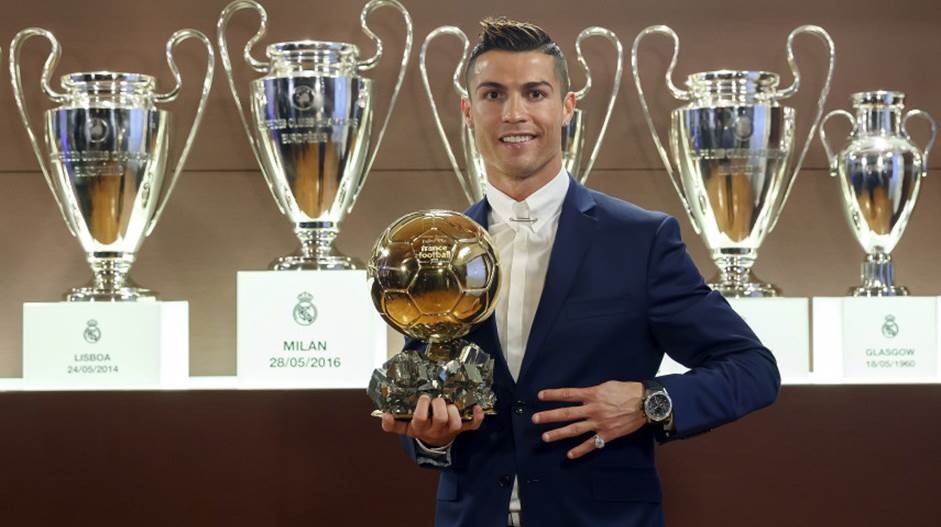
Cristiano Ronaldo remade his body and his game more than once, moving from a stepover winger to a penalty box finisher without ever losing his scoring rate.
| Field | Value |
|---|---|
| Player Name (Full Name) | Cristiano Ronaldo dos Santos Aveiro |
| Career Span | 2002–present |
| Total Appearances | 1,330 |
| Total Goals | 976 |
| Total Assists | 291 |
| Goals Per Game (Ratio) | ~0.73 |
| Major Trophies | 5x UEFA Champions League winner (2008 with Manchester United; 2014, 2016, 2017, and 2018 with Real Madrid). He is the first player to win 5 Champions League titles in the modern tournament era. |
| Awards | 5 Ballon d’Or awards, 3 FIFA Best Player awards (2 The Best FIFA Men’s Player, 1 FIFA World Player of the Year), 4 European Golden Shoes, and 1 UEFA Club Footballer of the Year |
He scored at 5 different World Cups (2006–2026), a feat no other man in the sport has managed, making him the only male player to score in six separate World Cup finals tournaments.
Portugal’s run ended in the 2026 Round of 16 with a 1-0 loss to Spain, closing out Ronaldo’s World Cup career.
The debate with Messi will never fully settle, and it does not need to. Ronaldo built the more repeatable machine, goal after goal, season after season, well into his forties.
2. Lionel Messi: Modern Football Made Into Sculpture
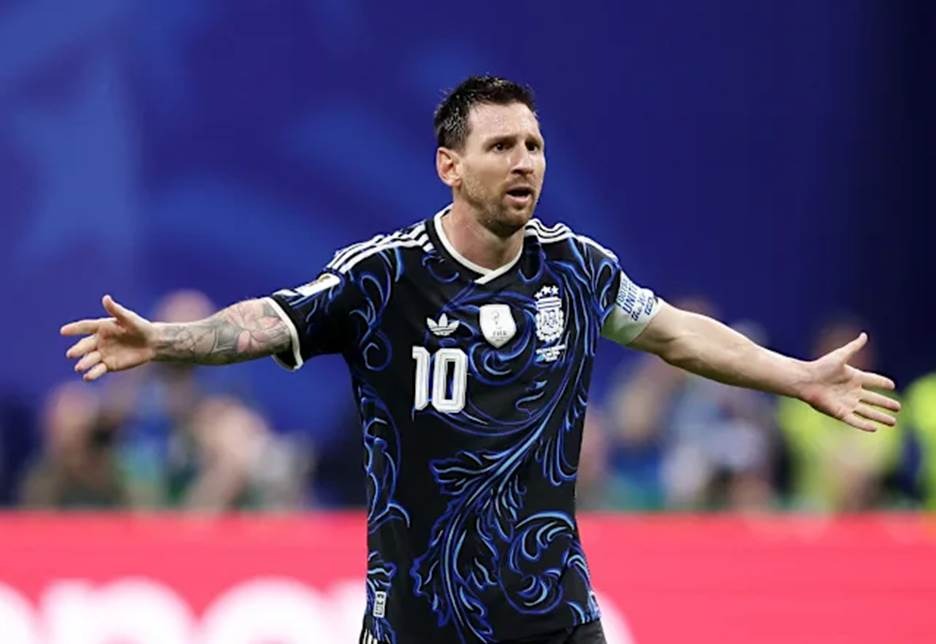
Lionel Messi built his game on a kind of control most players never touch. His body barely leaves the ground, yet defenders lose track of him inside two steps.
He needed almost two decades of near misses before Qatar 2022 finally handed him the one trophy his critics used against him.
Career Stats:
| Field | Value |
|---|---|
| Player Name (Full Name) | Lionel Andrés Messi Cuccittini |
| Career Span | 2004–present |
| Total Appearances | ~1,160 |
| Total Goals | 915+ |
| Total Assists | ~450–460 |
| Goals Per Game (Ratio) | ~0.79 |
| Major Trophies | 4× UEFA Champions League winner (2006, 2009, 2011, 2015). Official UEFA records credit Messi with all four titles. |
| Awards | 8 Ballon d’Or awards (record), 4 FIFA Best Player awards, 6 European Golden Shoes, 2 World Cup Golden Balls |
Argentina’s run that winter silenced the last real gap in his résumé. He returned for a sixth World Cup in 2026 at age 39, breaking Miroslav Klose’s long-standing tournament scoring record along the way, but Argentina lost the final to Spain 1-0 after extra time, falling short of back-to-back titles.
Pep Guardiola rebuilt Barcelona’s entire attack around him from 2008 onward. He freed Messi from the right wing and turned him into a false nine, a move that broke the sport’s usual scoring math.
Critics said for years that he never carried a weak team alone. The 2022 World Cup answered that directly, and his numbers still look invented next to anyone else on this list
3. Pelé: Three World Cups Before Thirty
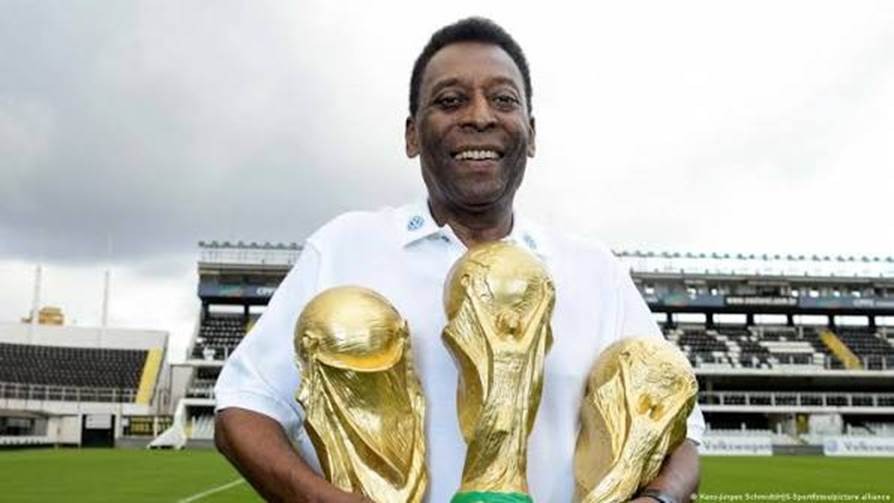
Coach Vicente Feola brought 17-year-old Pelé to the 1958 World Cup, giving him his tournament debut and first start in Brazil’s third group stage match against the Soviet Union, where he registered an assist—before he scored the winning goal against Wales in the quarterfinals.
Career Stats:
| Field | Value |
|---|---|
| Player Name (Full Name) | Edson Arantes do Nascimento |
| Career Span | 1956–1977 |
| Total Appearances | 831 (official competitive matches) |
| Total Goals | 1279 |
| Total Assists | Not officially tracked in this era |
| Goals Per Game (Ratio) | 1.54. |
| Major Trophies | 3 FIFA World Cups (1958, 1962, 1970), 2 Copa Libertadores |
| Awards | FIFA Player of the Century (2000, joint), FIFA Honorary Ballon d’Or (2013), 1970 World Cup Golden Ball, IOC Athlete of the Century |
His exact career goal total still splits statisticians. Santos and FIFA count exhibition tours that RSSSF and most modern record keepers leave out of the official tally.
That ongoing dispute over his numbers is itself a kind of proof. Few players from any era drew enough demand to sell out stadiums for exhibition matches alone.
4. Romário: The Best Finisher Inside the Six-Yard Box
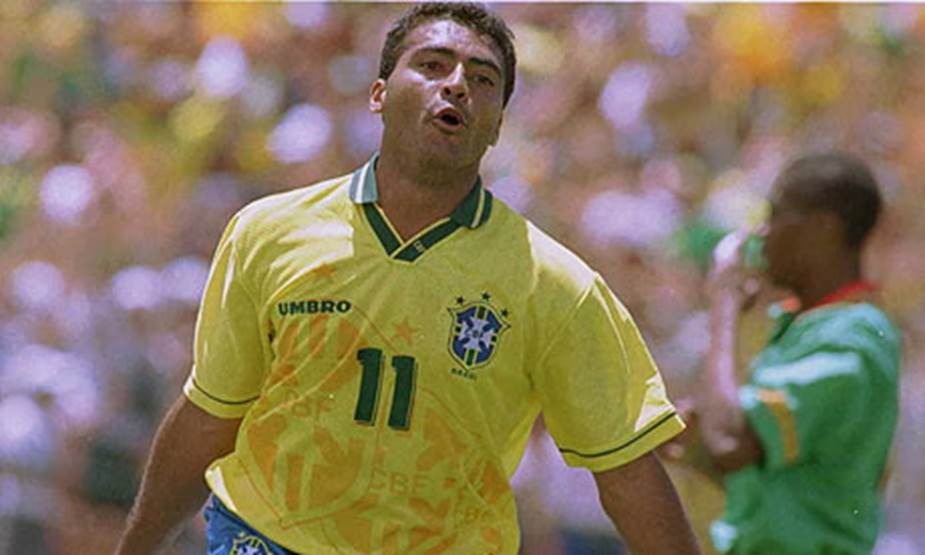
Romário scored from inside the six-yard box better than almost anyone, turning half chances into goals with a single touch.
Coach Carlos Alberto Parreira built Brazil’s 1994 attack around him and Bebeto, and Romário left that tournament as its Golden Ball winner.
Career stats:
| Field | Value |
|---|---|
| Player Name (Full Name) | Romário de Souza Faria |
| Career Span | 1985–2009 |
| Total Appearances | 900+ (club and country, disputed like Pelé’s tally) |
| Total Goals | 700+ |
| Total Assists | Not officially tracked in this era |
| Goals Per Game (Ratio) | ~0.78 (approximate, using disputed totals) |
| Major Trophies | 1994 FIFA World Cup, 1989 & 1997 Copa América, 3x Eredivisie titles (PSV), 1x La Liga title (Barcelona), 2000 Campeonato Brasileiro |
| Awards | 1994 FIFA World Player of the Year, 1994 World Cup Golden Ball, 2000 South American Footballer of the Year, 1993–94 La Liga Pichichi |
He clashed with coaches throughout his career over discipline and fitness, and it cost him minutes at several clubs during his prime years.
His finishing belongs with anyone on this list. His off-field battles are also part of the record, and they kept him from an even higher ranking here.
5. Ferenc Puskás: Almost a Goal a Game, Twice Over
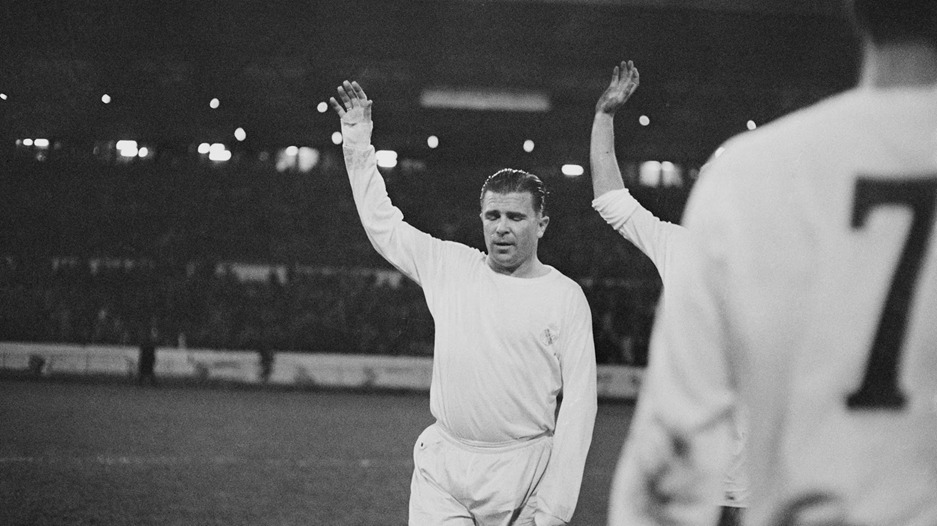
Ferenc Puskás scored at a rate close to a goal a game across two different national teams, Hungary and later Spain.
Coach Gusztáv Sebes built the Mighty Magyars around him in the early 1950s, and that Hungary side famously beat England 6-3 at Wembley in 1953.
Career stats:
| Field | Value |
|---|---|
| Player Name (Full Name) | Ferenc Puskás |
| Career Span | 1943–1966 |
| Total Appearances | ~754 (club and country, two nations) |
| Total Goals | 700+ |
| Total Assists | Not officially tracked in this era |
| Goals Per Game (Ratio) | ~0.93 |
| Major Trophies | 3 European Cups, 5 Hungarian league titles, 1952 Olympic gold |
| Awards | 1954 World Cup Golden Ball, 4x Pichichi Trophy, 2x European Cup Top Scorer, 1960 Ballon d’Or Silver Award |
He fled Hungary after the 1956 uprising and did not play a match for two years before Real Madrid signed him at the age of 31.
Most players fade fast past 31. Puskás won three more European Cups after that age, which says more about him than any single career stat line.
6. Josef Bican: The Goal Machine Time Forgot
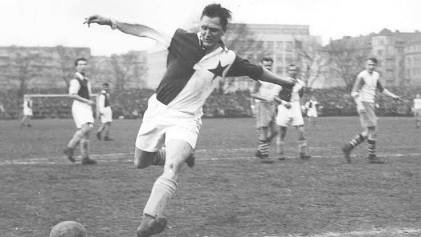
Josef “Pepi” Bican dominated European football across three decades, boasting an astonishing goal-scoring rate that placed him among the most prolific central strikers in the history of the sport
Career stats:
| Field | Value |
|---|---|
| Player Name (Full Name) | Josef “Pepi” Bican |
| Career Span | 1931–1955 |
| Total Appearances | 624 |
| Total Goals | 950 |
| Total Assists | Data unrecorded (estimated 150–200) |
| Goals Per Game (Ratio) | ~1.52 (Official matches) |
| Major Trophies | 5x Czechoslovak First League, 3x Austrian Championship, 1x Mitropa Cup (1938) |
| Awards | 15x League Top Scorer, FIFA Goalscorer of the Century (awarded 2001) |
Blessed with sprinter-level pace—capable of running 100 meters in 10.8 seconds—Bican made scoring look absurdly effortless during his legendary stint with Slavia Prague.
He played international football for three separate teams: Austria’s famous Wunderteam, Czechoslovakia, and briefly for Bohemia and Moravia during World War II.
Despite playing through the disruption of WWII, Bican built a goal-scoring record so staggering that modern statistical bodies like RSSSF and FIFA still place him right alongside Pele and Cristiano Ronaldo at the top of football’s official all-time scoring charts.
7. Robert Lewandowski: The Modern Goal Machine
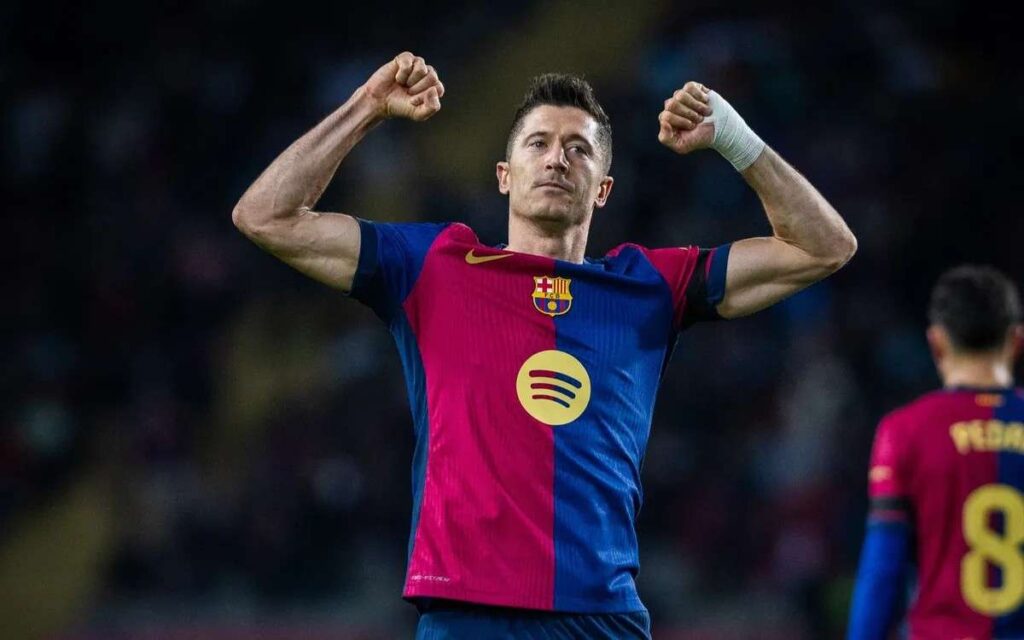
Robert Lewandowski has redefined consistency for 21st-century strikers, blending lethal finishing in the box with elite hold-up play across trophy-laden spells in Europe and North America.
Career stats:
| Field | Value |
|---|---|
| Player Name (Full Name) | Robert Lewandowski |
| Career Span | 2005–present |
| Total Appearances | ~980+ official matches |
| Total Goals | 700+ senior career goals |
| Total Assists | ~175–185 |
| Goals Per Game (Ratio) | ~0.72 (Official matches) |
| Major Trophies | 1x UEFA Champions League, 10x Bundesliga titles, 3x La Liga titles, 1x FIFA Club World Cup, 4x DFB-Pokal |
| Awards | 2x The Best FIFA Men’s Player (2020, 2021), 2x European Golden Shoe, 1x UEFA Men’s Player of the Year, 7x Bundesliga Top Scorer |
Lewandowski holds the record for scoring 5 goals in 9 minutes off the bench for Bayern Munich in 2015—the fastest five-goal haul in major European league history.
Lewandowski starred as a lead striker for Borussia Dortmund, Bayern Munich, Barcelona, and Poland. He scored goals reliably throughout his career.
Today, he ranks third on the all-time UEFA Champions League goalscoring list, trailing only Cristiano Ronaldo and Lionel Messi.
8.Gerd Müller: Der Bomber
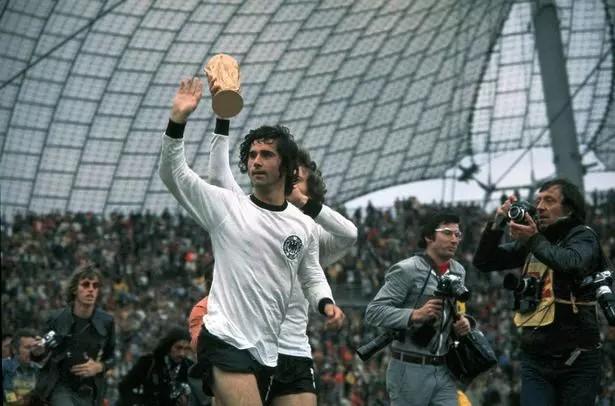
Gerd Müller stands as one of the most lethal finishers in football history. He scored goals with unmatched efficiency for Bayern Munich and West Germany inside the penalty area.
Career stats:
| Field | Value |
|---|---|
| Player Name (Full Name) | Gerhard “Gerd” Müller |
| Career Span | 1963–1981 |
| Total Appearances | ~790+ official senior matches |
| Total Goals | 735+ official senior goals |
| Total Assists | Data unrecorded |
| Goals Per Game (Ratio) | ~0.93 (Official matches) |
| Major Trophies | 1x FIFA World Cup, 1x UEFA European Championship, 3x European Champions Clubs’ Cup, 4x Bundesliga titles, 4x DFB-Pokal |
| Awards | 1x Ballon d’Or (1970), 2x European Golden Shoe, 1x World Cup Golden Boot (1970), 7x Bundesliga Top Scorer |
Müller scored 85 goals in a single calendar year in 1972, a record that stood for 40 years until Lionel Messi broke it with 91 goals in 2012.
Müller starred as the main striker for Bayern Munich and West Germany during their most famous victories. He netted 68 goals in just 62 games for his country. He also scored the winning goal in the 1974 World Cup final.
9. Luis Suárez: Uruguay’s Legendary Striker, El Pistolero
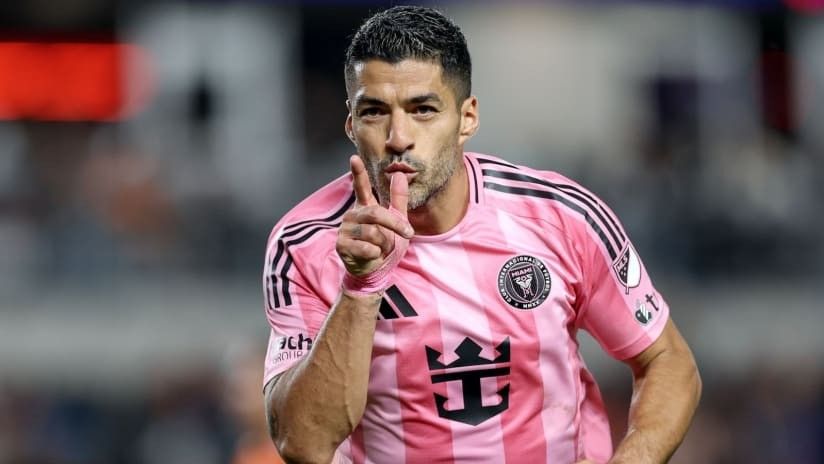
Luis Suárez stands out as a dominant striker in modern football. He creates and finishes goal opportunities with relentless energy for clubs and country.
Career stats:
| Field | Value |
|---|---|
| Player Name (Full Name) | Luis Alberto Suárez Díaz |
| Career Span | 2005–present |
| Total Appearances | ~960+ official matches |
| Total Goals | 605+ official senior goals |
| Total Assists | ~300+ career assists |
| Goals Per Game (Ratio) | ~0.63 (Official matches) |
| Major Trophies | 1x UEFA Champions League, 5x La Liga, 1x Copa América, 1x FIFA Club World Cup, 1x Eredivisie |
| Awards | 2x European Golden Shoe, 1x Pichichi Trophy, 1x Premier League Golden Boot, 1x PFA Players’ Player of the Year |
Suárez started his youth career with Uruguay and made his senior debut against Colombia in 2007. Despite getting a red card in that first match, he scored five goals during the 2010 World Cup qualifying games.
At the 2010 World Cup, Suárez helped Uruguay win their group. He drew a penalty against South Africa and scored the winning goal against Mexico.
In the knockout stages, he scored twice against South Korea. Later against Ghana, he stopped a late goal with his hands and received a red card, but Ghana missed the penalty, helping Uruguay reach the semi-finals.
10. Eusébio: The Black Panther’s Nine-Goal Tournament
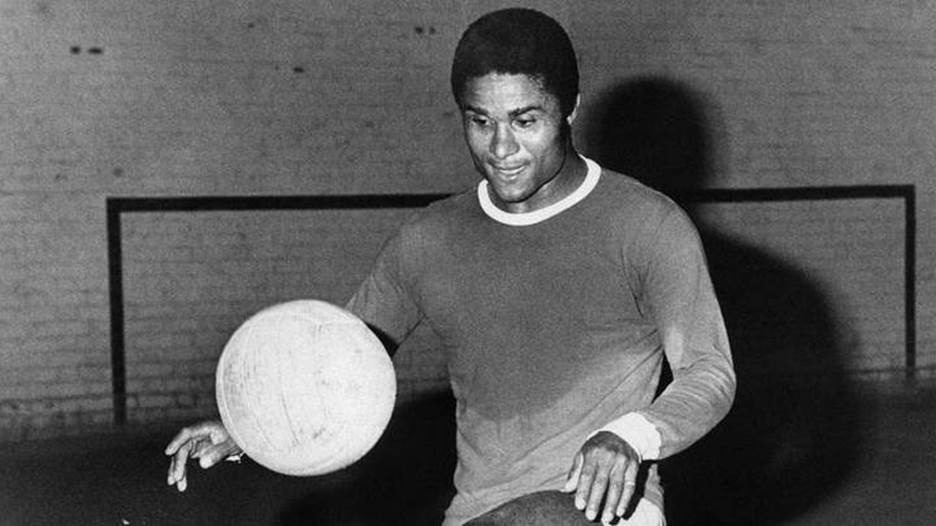
Eusébio scored nine goals at the 1966 World Cup, still among the most by any player in a single tournament from that era.
Coach Béla Guttmann signed him for Benfica in 1961 and built the club’s European Cup run around his pace and finishing.
Career stats:
| Field | Value |
|---|---|
| Player Name (Full Name) | Eusébio da Silva Ferreira |
| Career Span | 1960–1979 |
| Total Appearances | 745 (Benfica and Portugal) |
| Total Goals | 733 |
| Total Assists | Not officially tracked in this era |
| Goals Per Game (Ratio) | ~1.00 |
| Major Trophies | 1962 European Cup, 11 Primeira Liga titles |
| Awards | 1965 Ballon d’Or, 1966 World Cup Golden Boot, 2x European Golden Shoe, 3x European Cup Top Scorer |
He carried Portugal to third place at the 1966 World Cup, which remains the country’s best finish in World Cup history. (Portugal finished fourth in 2006).
His scoring rate rivals anyone on this list. Portugal’s smaller football profile at the time likely cost him the wider global fame his level deserved.
11. Zlatan Ibrahimović: Two Decades of Elite Goalscoring
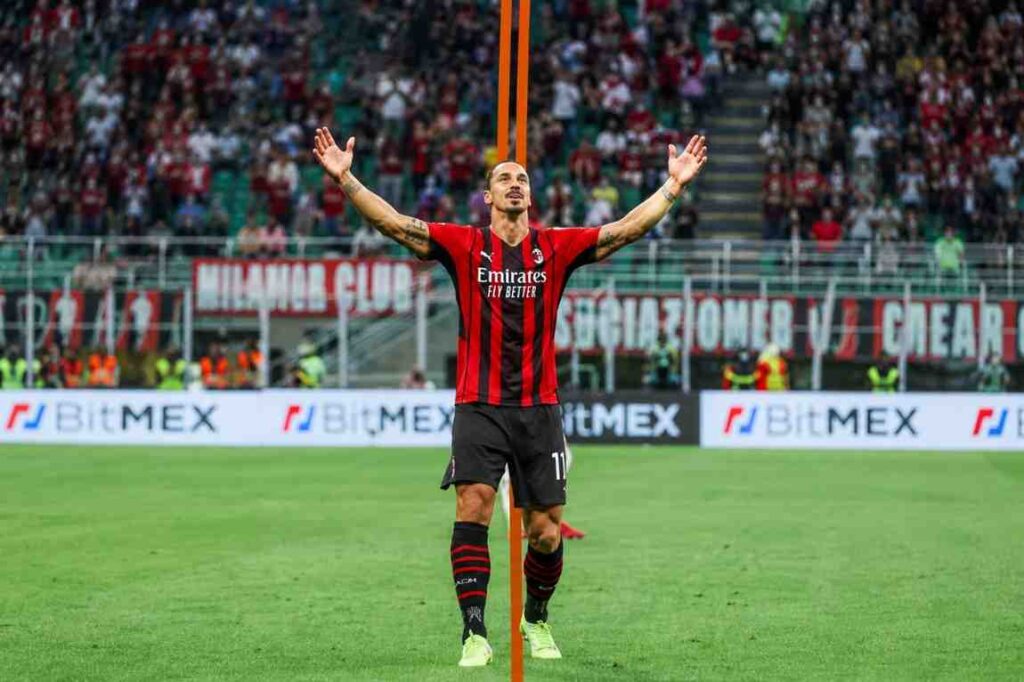
Zlatan Ibrahimović played at the highest level for more than two decades, from his senior debut in 1999 until his retirement in 2023. He scored more than 500 goals for club and country and won league titles in several European countries.
Career stats:
| Field | Value |
|---|---|
| Player Name (Full Name) | Zlatan Ibrahimović |
| Career Span | 1999–2023 |
| Total Appearances | 949 (827 club + 122 Sweden) |
| Total Goals | 578 |
| Total Assists | Not consistently recorded across his full career |
| Goals Per Game (Ratio) | ~0.61 |
| Major Trophies | League titles in the Netherlands, Italy, Spain and France, plus the 2009 FIFA Club World Cup and UEFA Super Cup with Barcelona |
| Awards | 12 Swedish Guldbollen awards and the 2013 FIFA Puskás Award |
He played for major clubs including Ajax, Juventus, Inter Milan, Barcelona, AC Milan, Paris Saint-Germain and Manchester United. For Sweden, Ibrahimović scored 62 goals in 122 appearances and became the nation’s all-time leading men’s scorer.
Ibrahimović won the Guldbollen award 12 times, more than any other Swedish men’s player.
He also won the 2013 FIFA Puskás Award for his famous overhead kick against England.
12. Fernando Peyroteo: A Goal-Scoring Record Like No Other
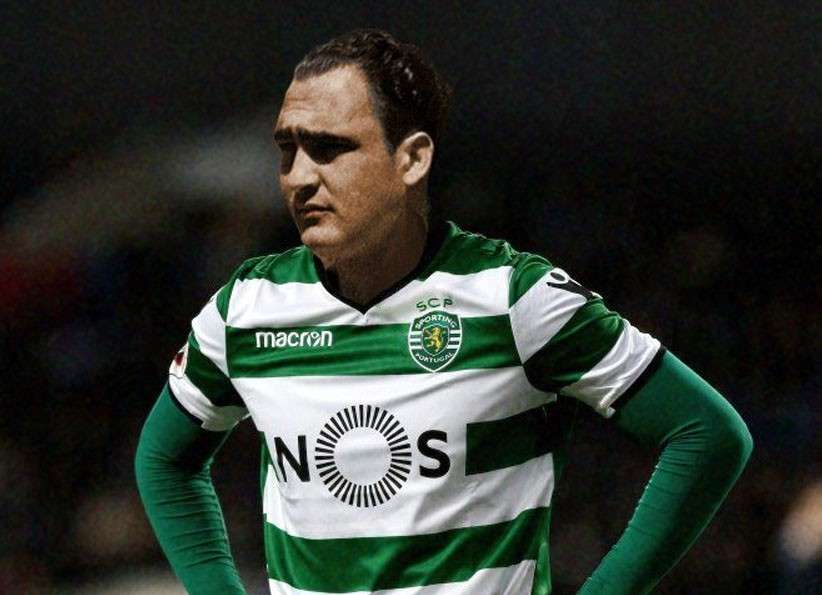
Fernando Peyroteo dominated Portuguese football with his scoring rate, finding the net 540 times in 332 official matches for Sporting CP. He spent 12 seasons with the club from 1937 to 1949 and won 19 official titles.
Career stats:
| Field | Value |
|---|---|
| Player Name (Full Name) | Fernando Baptista Seixas Peyroteo |
| Career Span | 1937–1949 |
| Total Appearances | 354 |
| Total Goals | 544 |
| Total Assists | Not available |
| Goals Per Game (Ratio) | 1.54 |
| Major Trophies | 6 Portuguese league titles, 4 Portuguese Cups |
| Awards | Portuguese top-flight top scorer 6 times (1938, 1940, 1941, 1946, 1947, 1949) |
Peyroteo also made his mark for Portugal, scoring 14 goals in 20 international appearances between 1938 and 1949. His best-known record came in 1942, when he scored nine goals in one league match against Leça.
He won six Portuguese league titles and four Portuguese Cups with Sporting. He also finished as Portugal’s top-flight leading scorer six times.
13. Uwe Seeler: Hamburg’s Relentless Goal Scorer
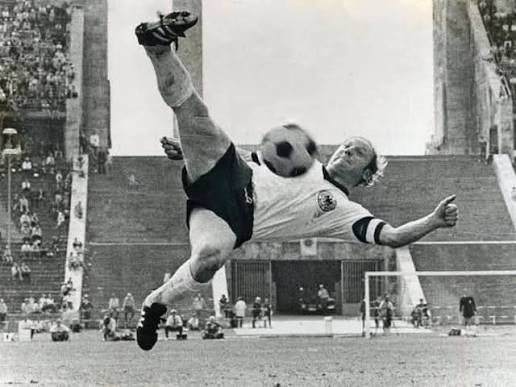
Uwe Seeler spent almost his entire club career with Hamburger SV, where he became one of Germany’s most respected forwards. He scored more than 400 goals for HSV and helped the club win the German championship in 1960 and the DFB-Pokal in 1963.
Career stats:
| Field | Value |
|---|---|
| Player Name (Full Name) | Uwe Seeler |
| Career Span | 1953–1972 |
| Total Appearances | 548 |
| Total Goals | 400+ |
| Total Assists | Not available |
| Goals Per Game (Ratio) | 0.82 |
| Major Trophies | 1960 German Championship, 1963 DFB-Pokal |
| Awards | Bundesliga top scorer (1963–64), German Footballer of the Year (1960, 1964, 1970) |
Seeler also earned the 1960 German Footballer of the Year award and later received the honour again in 1964 and 1970.
Seeler also played a major role for West Germany, scoring 43 goals in 72 international appearances. He played at four World Cups from 1958 to 1970 and became the first player to score in four different World Cup tournaments.
14. Alfredo Di Stéfano: The Complete Footballer Before the Phrase Existed
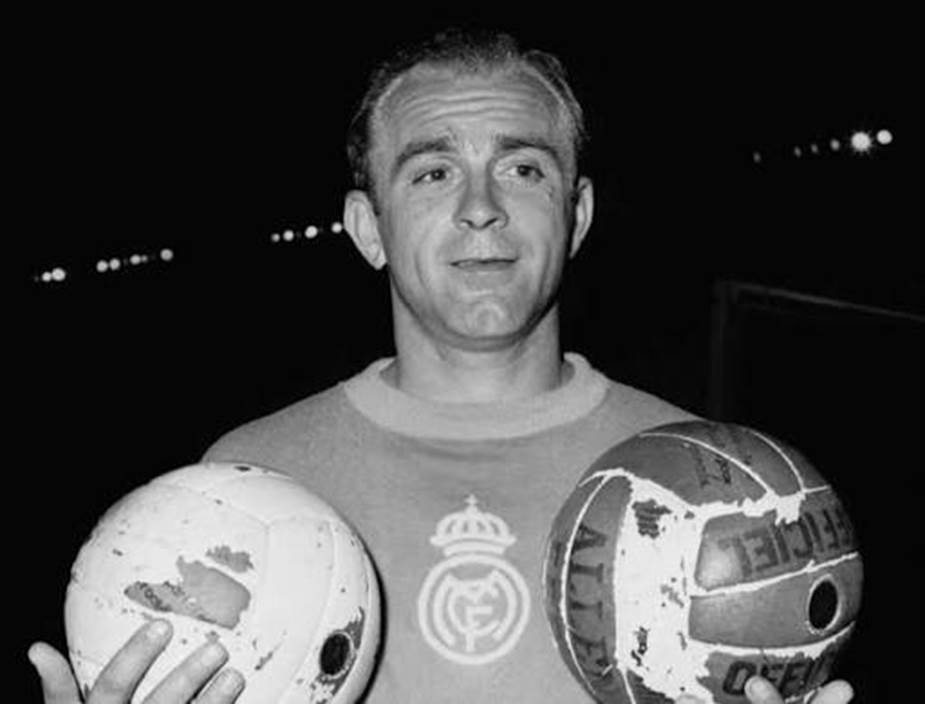
Alfredo Di Stéfano scored in all five of Real Madrid’s first European Cup final wins, a run no club or player has come close to matching since.
Club president Santiago Bernabéu signed him in 1953 after a transfer fight between Barcelona and Real Madrid that Real eventually won outright.
Career stats:
| Field | Value |
|---|---|
| Player Name (Full Name) | Alfredo Stéfano Di Stéfano Laulhé |
| Career Span | 1944–1966 |
| Total Appearances | 521 (club and country, three nations) |
| Total Goals | 377 |
| Total Assists | Not officially tracked in this era |
| Goals Per Game (Ratio) | 0.72 |
| Major Trophies | 5 consecutive European Cups (1956–1960), 8 La Liga titles |
| Awards | 1 Super Ballon d’Or, 2 Ballon d’Or awards, 5x Pichichi Trophy, 2x European Cup Top Scorer |
He played for three different national teams, Argentina, Colombia and Spain, a result of how international eligibility rules worked during his era.
He did everything on a pitch: scoring, creating and defending, decades before the phrase complete footballer became common. Ranking him this high still undersells him.
15. Karim Benzema: Ballon d’Or Winner and Real Madrid Great
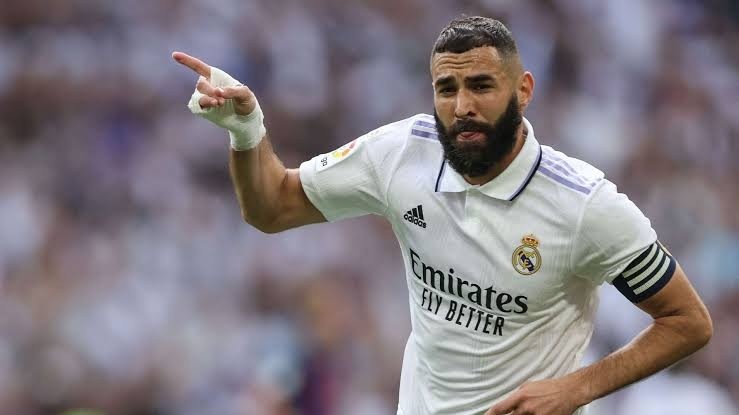
Karim Benzema built a remarkable career with Lyon, Real Madrid, Al-Ittihad.He scored 354 goals in 648 games for Real Madrid and won five Champions League titles with the club.
Career stats:
| Field | Value |
|---|---|
| Player Name (Full Name) | Karim Mostafa Benzema |
| Career Span | 2004–Present |
| Total Appearances | 1,015 (club and country) |
| Total Goals | 500+ |
| Total Assists | Not consistently tracked across his full career |
| Goals Per Game (Ratio) | ~0.53 |
| Major Trophies | 5 Champions League titles, 4 La Liga titles, 1 UEFA Nations League |
| Awards | 2022 Ballon d’Or, 2022 UEFA Player of the Year, 2022 Champions League top scorer |
Benzema reached his peak in the 2021–22 season. He scored 44 goals for Real Madrid and helped the club win La Liga and the Champions League. His form earned him the 2022 Ballon d’Or.
Benzema signed for Saudi Pro League club Al-Ittihad in 2023 following his storied tenure at Real Madrid.
16. Harry Kane: England’s Record Scorer and Elite Goal Machine
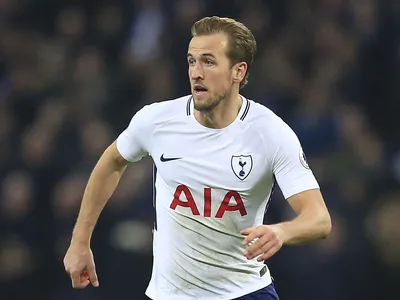
Harry Kane has built one of the finest scoring records of his generation. He became Tottenham Hotspur’s all-time leading scorer and later became England’s record scorer, reaching more than 500 goals across his club and international career.
Career stats:
| Field | Value |
|---|---|
| Player Name (Full Name) | Harry Edward Kane |
| Career Span | 2011–Present |
| Total Appearances | 630 |
| Total Goals | 500+ |
| Total Assists | 110 |
| Goals Per Game (Ratio) | 0.79 |
| Major Trophies | 2 Bundesliga titles (2024/25, 2025/26), 1 DFB-Pokal (2025/26), 1 Franz Beckenbauer Supercup (2025) |
| Awards | 3x Premier League Golden Boot (2015/16, 2016/17, 2020/21), 3x Bundesliga Top Scorer / Torjägerkanone (2023/24, 2024/25, 2025/26), 2018 FIFA World Cup Golden Boot, 2023/24 European Golden Shoe |
Kane joined Bayern Munich in 2023 and quickly continued his scoring form.
He won the Bundesliga Golden Boot in each of his first three seasons at Bayern. In 2025–26, he scored 61 goals in 51 appearances and won the Bundesliga, DFB-Pokal and European Golden Shoe.
17. Hugo Sánchez: The Complete Striker
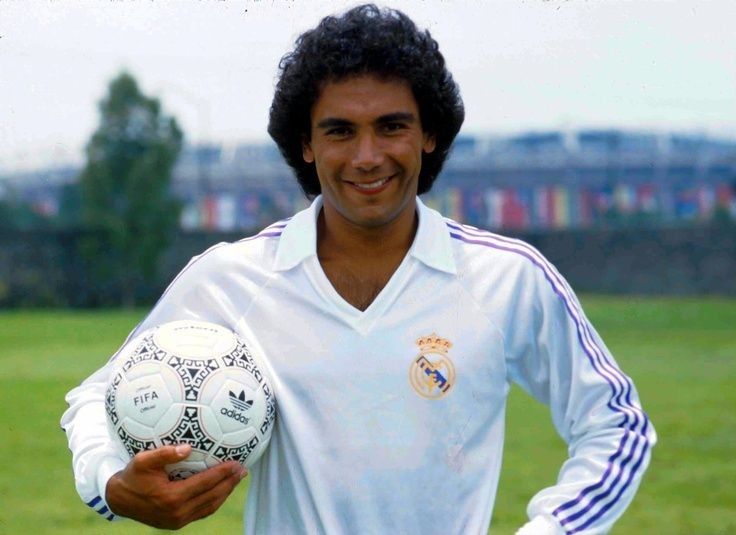
Hugo Sánchez stood out for his sharp finishing, powerful shots, and acrobatic goals. He could score in many ways and finished chances with great consistency.
Career stats:
| Field | Value |
|---|---|
| Player Name (Full Name) | Hugo Sánchez Márquez |
| Career Span | 1976–1997 |
| Total Appearances | 700+ (club and country) |
| Total Goals | 562 |
| Total Assists | Not officially tracked in this era |
| Goals Per Game (Ratio) | ~0.70 (approximate) |
| Major Trophies | 5× La Liga, 1× Copa del Rey, 4× Spanish Super Cup, 3× Pichichi Trophy, 1× CONCACAF Champions’ Cup |
| Individual Awards | 5× La Liga Pichichi (1985, 1986, 1987, 1989, 1990), 1990 European Golden Shoe, CONCACAF Player of the Century |
He also had a short spell in the United States with the San Diego Sockers. Hugo later moved into coaching and remained involved in football.
He made his name at Pumas in Mexico before moving to Europe with Atlético Madrid and Real Madrid. At Real Madrid, he won major trophies and claimed the Pichichi award five times.
18. Zico: The Best Team That Never Won It
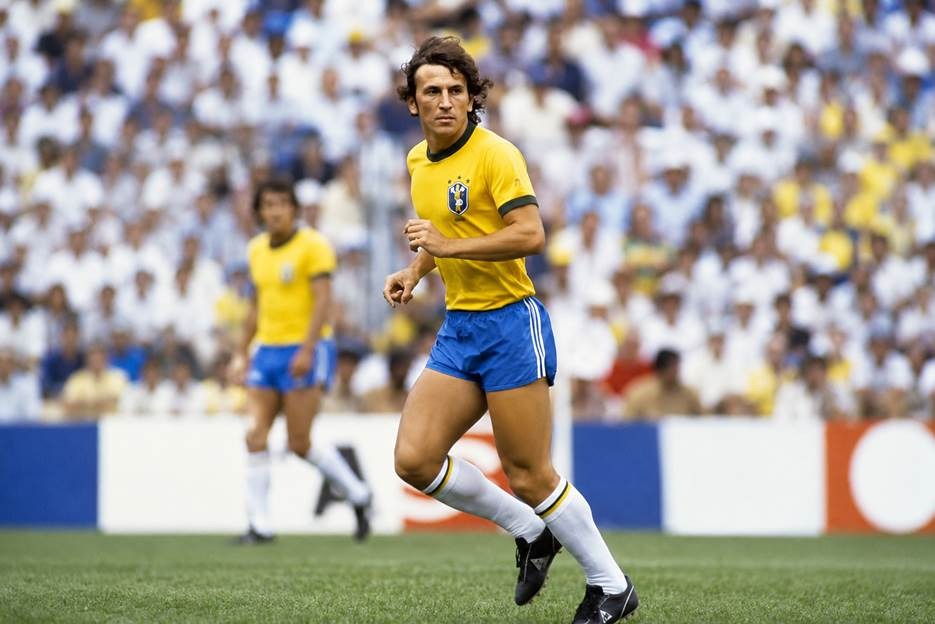
Zico scored 540+ official senior goals across club and country, including 529 goals for Flamengo alone, a total that still anchors the club’s entire history.
Coach Cláudio Coutinho built Brazil’s 1982 side around him, fielding a midfield many still call the best attacking unit ever to win a World Cup.
Career stats:
| Field | Value |
|---|---|
| Player Name (Full Name) | Arthur Antunes Coimbra |
| Career Span | 1971–1994 |
| Total Appearances | 706 |
| Total Goals | 540+ |
| Total Assists | 200+ |
| Goals Per Game (Ratio) | ~0.76 |
| Major Trophies | 1981 Copa Libertadores and Intercontinental Cup (Flamengo) |
| Awards | 3x South American Footballer of the Year, 1983 World Soccer Player of the Year, 1981 Intercontinental Cup MVP |
That 1982 Brazil team lost to Italy in a match still replayed in highlight reels for its quality, not for its result.
He never won the trophy his talent deserved. That single gap is the honest reason he sits outside the very top tier of this list.
19. Kylian Mbappé: The Modern-Day Goal Machine
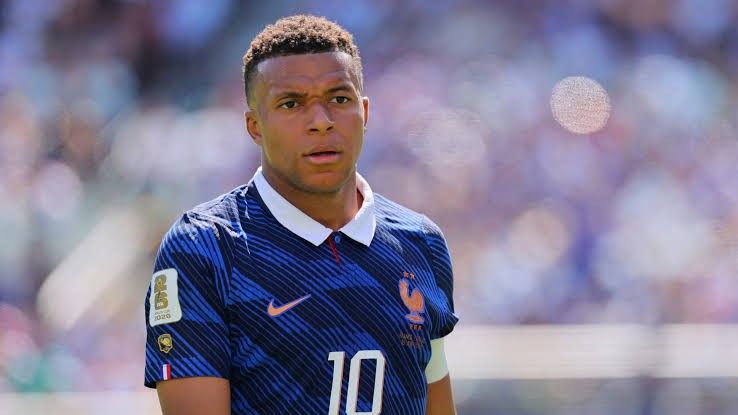
Kylian Mbappé combines speed, sharp finishing, and powerful runs. He has scored at the highest level for both club and country and has already built a strong record at the World Cup.
Career stats:
| Field | Value |
|---|---|
| Player Name (Full Name) | Kylian Mbappé Lottin |
| Career Span | 2015–present |
| Total Appearances | 576 |
| Total Goals | 435 |
| Total Assists | 158 |
| Goals Per Game (Ratio) | 0.76 |
| Major Trophies | 2018 FIFA World Cup, 2021 UEFA Nations League, 7× Ligue 1, 4× Coupe de France, 2024 UEFA Super Cup, 2024 FIFA Intercontinental Cup |
| Awards | 2018 FIFA World Cup Best Young Player, 2018 Kopa Trophy, 5× Ligue 1 Pichichi, 2025 European Golden Shoe, 2024 Gerd Müller Trophy |
Mbappé also made history at the 2022 World Cup by scoring three goals in the final against Argentina. As of the 2026 World Cup, Mbappé has continued to add to his World Cup goal tally, chasing Miroslav Klose’s all-time record of 16 goals.
He rose to fame with AS Monaco before moving to Paris Saint-Germain and later Real Madrid. He won the 2018 FIFA World Cup with France and became the first player to score a hat-trick in a men’s World Cup final since 1966.
20. Thierry Henry: The Complete Forward
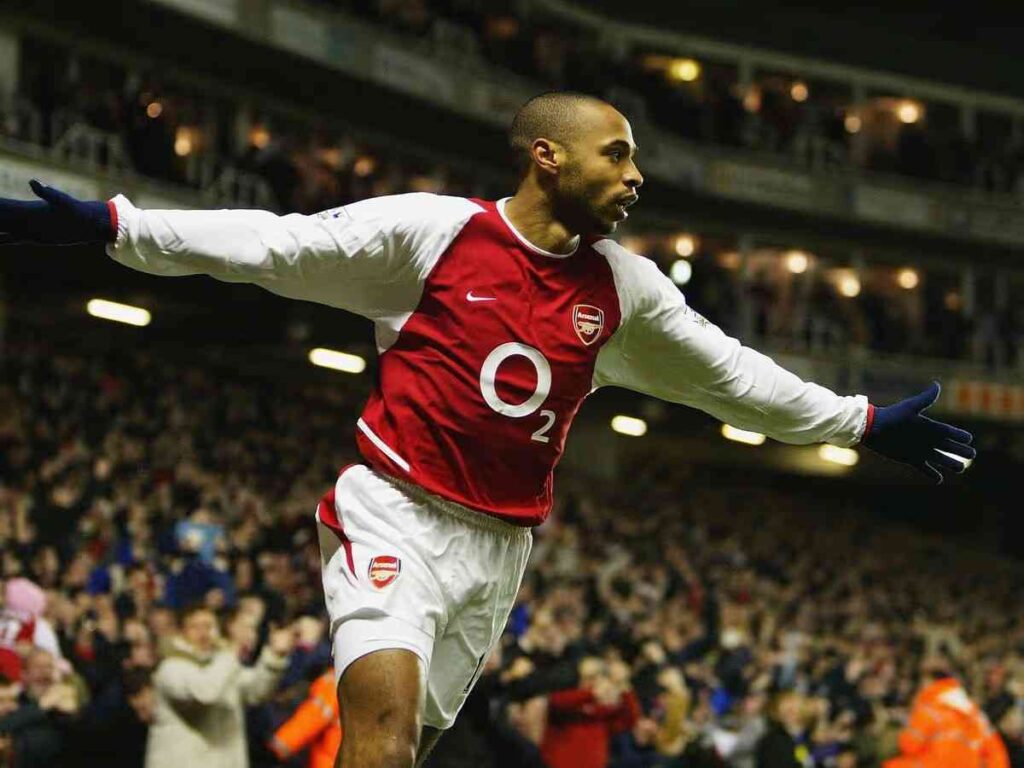
Thierry Henry combined speed, skill, and sharp finishing. He could score from close range, attack from the left, and create chances for teammates.
Career stats:
| Field | Value |
|---|---|
| Player Name (Full Name) | Thierry Daniel Henry |
| Career Span | 1994–2014 |
| Total Appearances | 723 |
| Total Goals | 410+ (club and country) |
| Total Assists | 74 |
| Goals Per Game (Ratio) | 0.57 |
| Major Trophies | 1998 FIFA World Cup, UEFA Euro 2000, 2× Premier League, 3× FA Cup, 2× La Liga, UEFA Champions League |
| Awards | 4× Premier League Golden Boot, 2× PFA Players’ Player of the Year, 2× FWA Footballer of the Year, 2003 FIFA Confederations Cup Golden Boot |
Henry also became Arsenal’s all-time leading scorer with 228 goals. He returned to the club on loan in 2012 and scored twice in seven appearances.
Henry became a star at Arsenal under Arsène Wenger. He later played for Barcelona, where he won the UEFA Champions League, and helped France win the 1998 FIFA World Cup.
21. Ronaldo Nazário: The Peak Nobody Has Topped
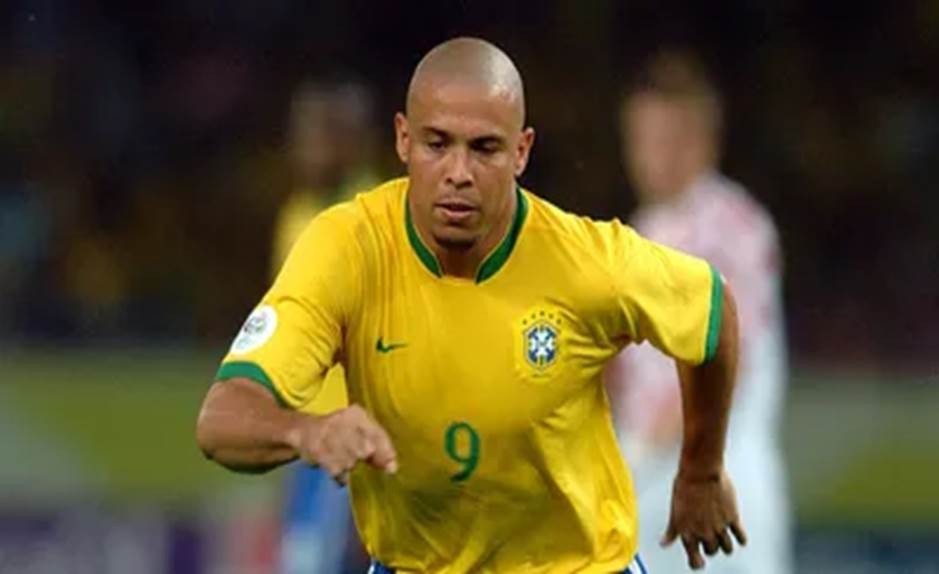
Ronaldo Nazário terrorized defenders with a burst of speed and skill that made 1996 to 1998 look unfair, before injuries very nearly ended his career.
Bobby Robson built Barcelona’s entire attack around him in 1996 and later called him the best player he ever coached at any club.
Career stats:
| Field | Value |
|---|---|
| Player Name (Full Name) | Ronaldo Luís Nazário de Lima |
| Career Span | 1993–2011 |
| Total Appearances | 600 |
| Total Goals | 414 |
| Total Assists | Not officially tracked in this era |
| Goals Per Game (Ratio) | 0.67 |
| Major Trophies | 2 FIFA World Cups (1994 squad member, 2002 top scorer) |
| Awards | 2 Ballon d’Or awards, 3x FIFA World Player of the Year, 1998 World Cup Golden Ball, 2002 World Cup Golden Shoe, 1 European Golden Shoe |
He tore the same knee twice within 18 months, then returned to score twice in the 2002 World Cup final against Germany.
His peak years still set the highest bar in the sport. What injuries took from him is exactly why he sits behind, not ahead of, the players who stayed healthy longer.
22. Diego Maradona: One Man, One World Cup
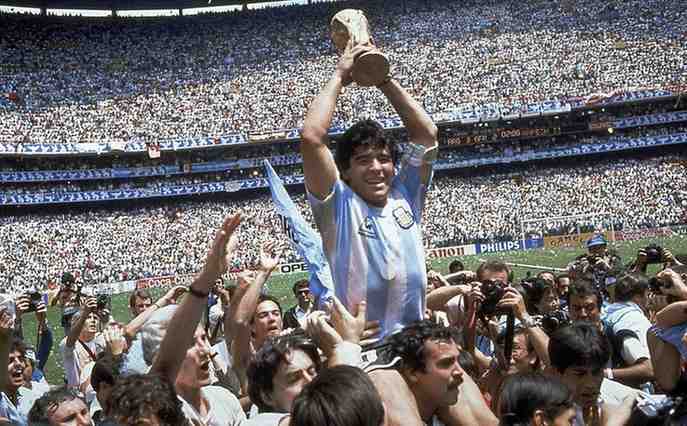
Diego Maradona won a World Cup almost single-handedly, scoring twice against England in one half that defined an entire tournament.
Career Stats:
| Field | Value |
|---|---|
| Player Name (Full Name) | Diego Armando Maradona |
| Career Span | 1976–1997 |
| Total Appearances | 581 |
| Total Goals | 345 |
| Total Assists | 241 |
| Goals Per Game (Ratio) | 0.97 |
| Major Trophies | 1986 FIFA World Cup, 2x Serie A (1987, 1990), Coppa Italia (1987), 1989 UEFA Cup (Napoli) |
| Awards | FIFA Player of the Century (2000), 1986 World Cup Golden Ball, 1990 World Cup Bronze Ball, 2x South American Footballer of the Year |
Coach Carlos Bilardo gave him total freedom in 1986, building Argentina’s shape around wherever Maradona chose to run that day.
Napoli had never won a Serie A title before he arrived in 1984. They have added only one more since he left the club in 1991.
His talent was undeniable, and his self-destruction was real. Both facts sit inside the same career, and leaving either one out does him a disservice.
23. Johan Cruyff: The Man Who Wrote the Rulebook Then Broke It
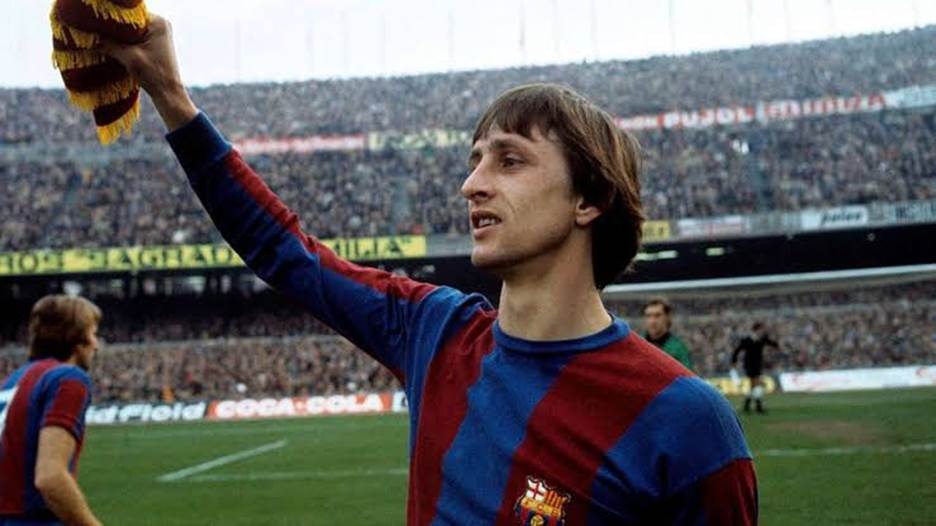
Johan Cruyff played a version of football before the world had a name for it, then spent a second career coaching a generation to play it his way.
Rinus Michels built Total Football with Cruyff as its on-field extension at Ajax. Cruyff carried that same blueprint to Barcelona two decades later as manager.
Career stats:
| Field | Value |
| Player Name (Full Name) | Hendrik Johannes Cruyff |
| Career Span | 1964–1984 |
| Total Appearances | 569 |
| Total Goals | 392 |
| Total Assists | 255+ |
| Goals Per Game (Ratio) | 0.69 |
| Major Trophies | 3 European Cups, 9 Eredivisie titles |
| Awards | 3 Ballon d’Or awards |
He turned down a place in the 1978 World Cup squad, and Dutch football still argues over the exact reason behind it.
His playing numbers alone undersell him. His real legacy is the coaching philosophy that shaped modern Barcelona and still runs through how much of Europe teaches the game.
24. Ronaldinho: Football as Street Play at the Highest Level
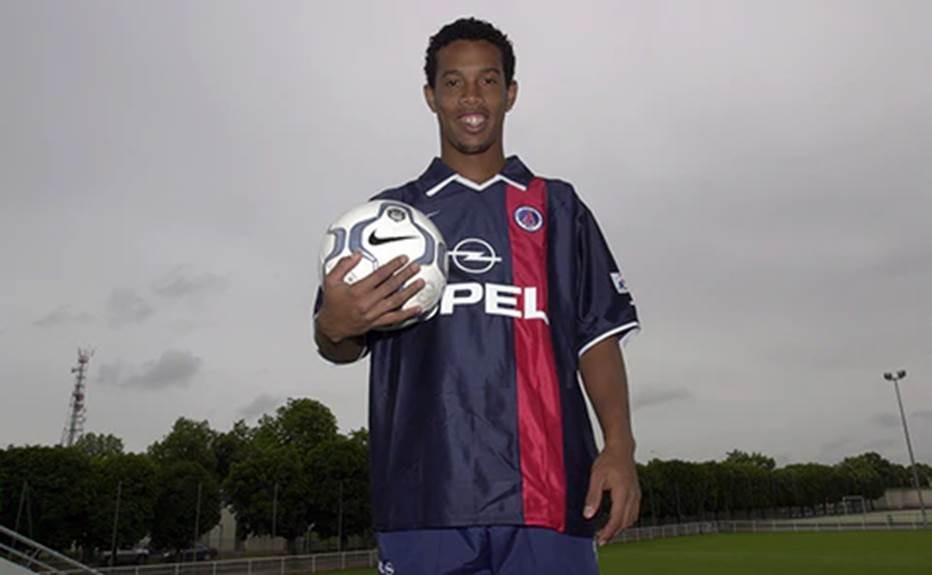
Ronaldinho made elite football look like a pickup game, nutmegging defenders in Champions League finals purely for the fun of it.
Frank Rijkaard rebuilt Barcelona around him in 2003, and Ronaldinho repaid him with a standing ovation from Real Madrid’s own fans at the Bernabéu in 2005
Career stats:
| Field | Value |
|---|---|
| Player Name (Full Name) | Ronaldo de Assis Moreira |
| Career Span | 1998–2015 |
| Total Appearances | 796 |
| Total Goals | 299 |
| Total Assists | 221 |
| Goals Per Game (Ratio) | 0.38 |
| Major Trophies | 2002 FIFA World Cup, 2 La Liga titles, 1 UEFA Champions League |
| Awards | 2005 Ballon d’Or, 2x FIFA World Player of the Year, 2006 UEFA Club Footballer of the Year, 1999 Confederations Cup Golden Ball |
His form dropped fast after 2006, and he never fully recovered the level that had briefly made him the best player alive.
Few players entertained a crowd as he did. Few also fell off this hard this fast, and both facts belong in the same honest sentence about his legacy.
25. Zinedine Zidane: The Master of Midfield
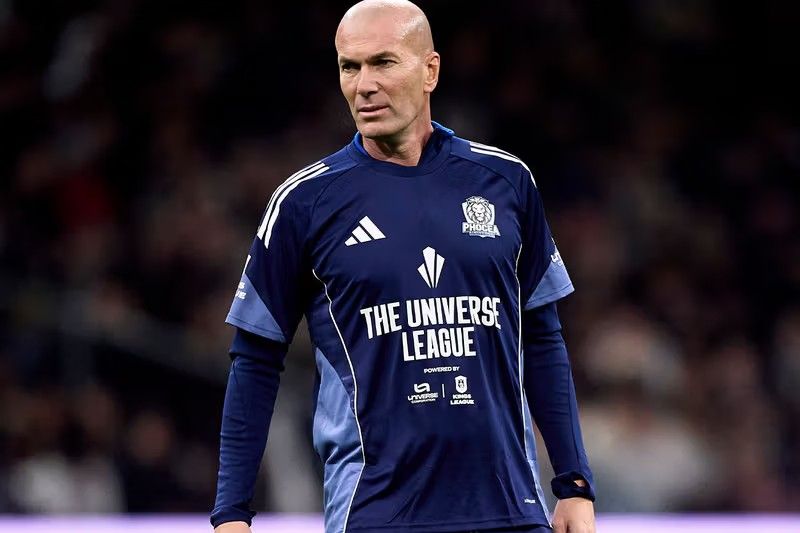
Zinedine Zidane combined control, vision, and skill with a calm style on the ball. He could create chances, score important goals, and control the pace of a match.
Career stats:
| Field | Value |
|---|---|
| Player Name (Full Name) | Zinedine Yazid Zidane |
| Career Span | 1989–2006 |
| Total Appearances | 689 |
| Total Goals | 156 |
| Total Assists | ~167–175 |
| Goals Per Game (Ratio) | 0.23 |
| Major Trophies | 1998 FIFA World Cup, UEFA Euro 2000, UEFA Champions League, 2× Serie A, La Liga, Intercontinental Cup |
| Awards | 1998 Ballon d’Or, 1998 FIFA World Player of the Year, 2000 FIFA World Player of the Year, 2003 FIFA World Player of the Year, 2006 FIFA World Cup Golden Ball |
Zidane also became one of France’s most important players. He retired from professional football after the 2006 FIFA World Cup, where France reached the final.
He became a star with Juventus and Real Madrid before leading France to the 1998 FIFA World Cup title.
Zidane later won the UEFA Champions League with Real Madrid, scoring a famous left-footed volley in the 2002 final against Bayer Leverkusen (having previously scored twice in the 1998 World Cup final for France).
Related Reads
Conclusion: Messi, Ronaldo and Pelé: Three of Football’s Greatest Players
Football has changed across generations, but Cristiano Ronaldo, Lionel Messi, and Pelé remain among its greatest names. Ronaldo built his legacy through long-term scoring, Messi through goals and creativity, and Pelé through his World Cup success.
Lionel Messi has the strongest individual award record of the three, with eight Ballon d’Or awards. He also won four Champions League titles and six European Golden Shoes. His 2022 World Cup win completed his collection of major honours.
Pelé won three FIFA World Cups, in 1958, 1962, and 1970. He also won two Copa Libertadores titles. His career record in this article includes 831 official competitive appearances and 1,279 goals.
Ronaldo, Messi, and Pelé each left a different mark on football. Ronaldo stands for longevity and goals, Messi for control and creativity, and Pelé for World Cup success. Their careers show that football greatness comes from more than one number or award.