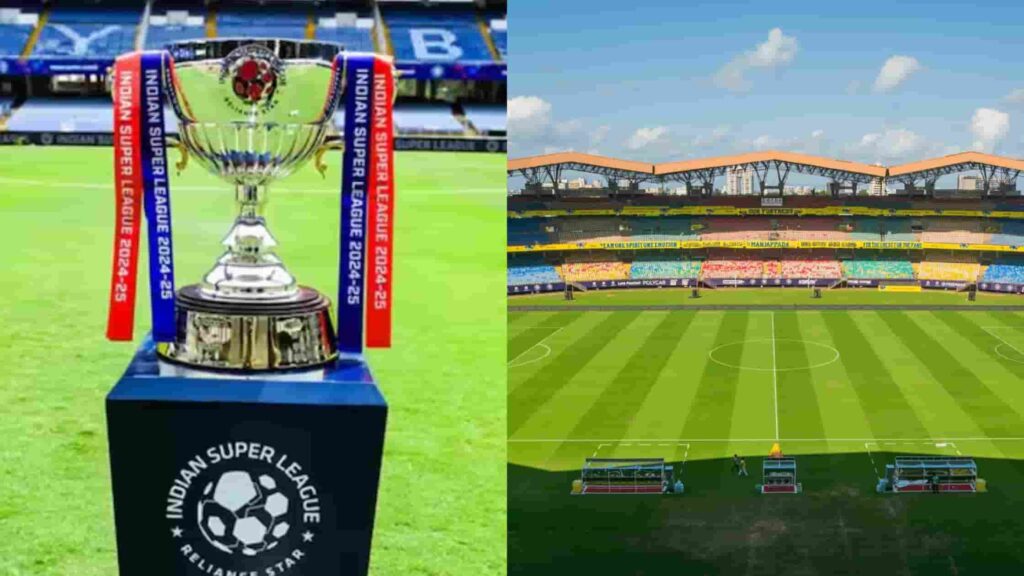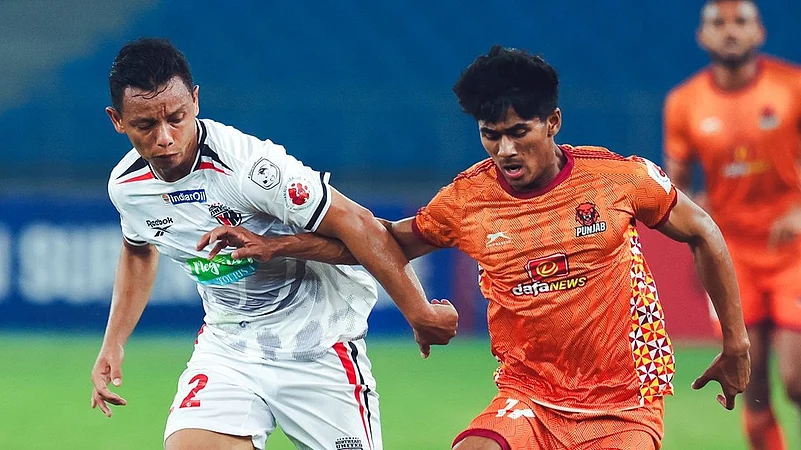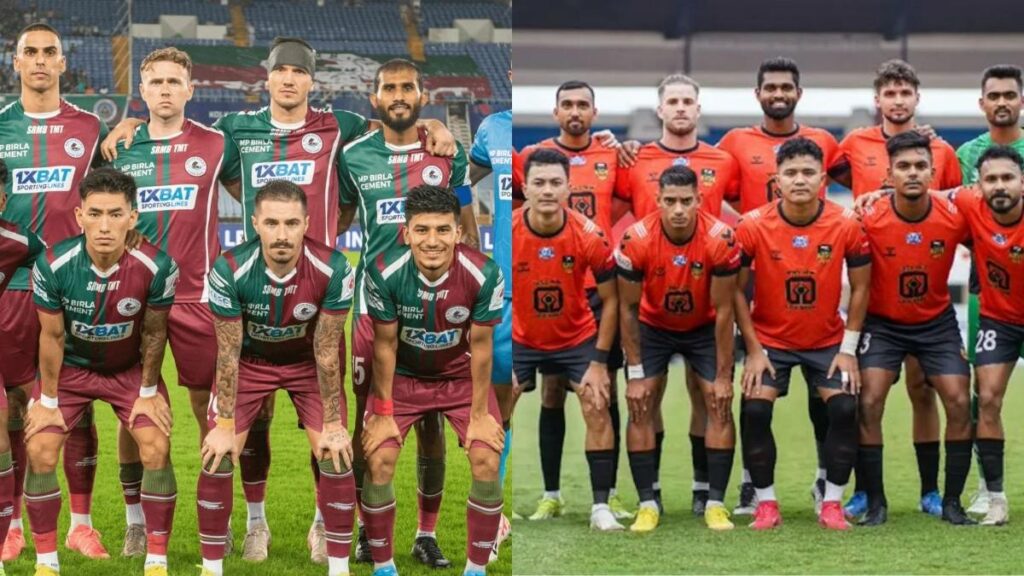


Football in India has more infrastructure than most people credit it for. As of 2026, the country runs 75+ major stadiums capable of hosting competitive matches, with 69 venues directly under SAI management.
Of those, only ~20 hold active AIFF accreditation for the 2025-26 ISL and I-League seasons under strict Premier 1 and Premier 2 licensing rules.
This article breaks down which stadiums make the cut, why classification matters, and what is being built next.
Football Stadiums in India (2026 Snapshot): Overview
From ISL sellouts in Kochi to I-League battles in Imphal, here is a ground-level look at the ten stadiums currently driving Indian football on matchday and beyond.
| Stadium Name | City | Capacity | Primary Home Club (2025-26) |
|---|---|---|---|
| Salt Lake Stadium | Kolkata | 85,000 | Mohun Bagan SG / East Bengal FC |
| Jawaharlal Nehru Stadium | Delhi | 60,000 | Punjab FC / SC Delhi |
| EMS Stadium | Kozhikode | 50,000 | Gokulam Kerala FC |
| DY Patil Stadium | Navi Mumbai | 45,000 | Multi-use / International matches |
| Jawaharlal Nehru Stadium | Kochi | 55,000 | Kerala Blasters FC |
| Birsa Munda Football Stadium | Ranchi | 40,000 | Local Leagues / Jharkhand FA |
| Khuman Lampak Stadium | Imphal | 35,285 | NEROCA / TRAU FC |
| Indira Gandhi Athletic Stadium | Guwahati | 30,000 | NorthEast United FC |
| GMC Balayogi Stadium | Hyderabad | 30,000 | Hyderabad FC |
| Sree Kanteerava Stadium | Bengaluru | 24,000 | Bengaluru FC |
Most Indian stadiums were built for athletics or multi-sport use. Dedicated football-only grounds remain rare.
The ISL has pushed clubs to upgrade facilities to meet AIFF Club Licensing Premier 1 standards, which require floodlighting above 1,500 lux, match-grade turf, and broadcast infrastructure.
The I-League runs on a slightly lower Premier 2 threshold, which brings more venues into the picture.
Each stadium below tells its own story in Indian football.
1. Salt Lake Stadium: Kolkata
| Capacity | 85,000 |
| Home Club (2025-26) | Mohun Bagan SG / East Bengal FC |
| Type | Dedicated Football |
| Infrastructure Standards | FIFA-approved turf, 1,500+ lux floodlights, AIFF Premier 1 accredited |
Salt Lake Stadium, officially called Vivekananda Yuba Bharati Krirangan (VYBK), opened in 1984 and seats 85,000 fans, making it the largest football stadium in India.
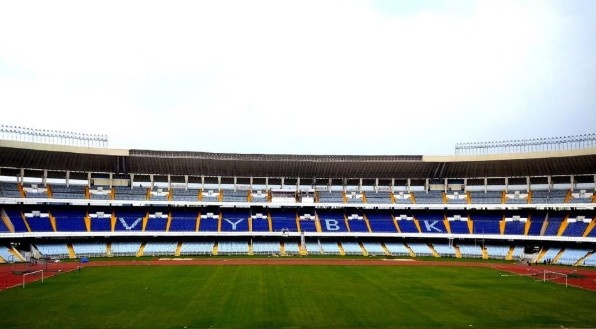
The ground has hosted SAFF Championships, national team qualifiers, and the famous Kolkata Derby between Mohun Bagan SG and East Bengal FC.
During the 2017 FIFA U-17 World Cup, the stadium was packed with over 66,684 fans for the final. Few venues in Asia carry this much football weight. (Source: inside FIFA)
2. Jawaharlal Nehru Stadium: Delhi
| Capacity | 60,000 |
| Home Club (2025-26) | Punjab FC / SC Delhi |
| Type | Multi-use |
| Infrastructure Standards | Synthetic turf sections, upgraded floodlights post-2023 |
JNS was built for the 1982 Asian Games; it carries serious sporting history on its shoulders. The stadium holds 60,000 and has served football through ISL fixtures and national team warm-ups.

Punjab FC brought ISL action back to the capital in 2023-24, and SC Delhi continues to push for a bigger Delhi football calendar. The upgrades post-2023 finally brought the floodlighting up to broadcast standards. (Source: sportsauthorityofindia.nic.in)
3. EMS Stadium: Kozhikode
| Capacity | 50,000 |
| Home Club (2025-26) | Gokulam Kerala FC |
| Type | Dedicated Football |
| Infrastructure Standards | Natural grass, AIFF Premier 2 accredited |
EMS Stadium seats 50,000 and sits at the center of football culture in northern Kerala. Kozhikode is not a casual football city; fans here follow the game with the kind of attention that fills stands on a weeknight.

Gokulam Kerala FC used this ground during their AFC Cup campaigns, giving EMS its first real taste of continental club football. The natural grass surface has held up well through heavy domestic use. (Source: gokulamkeralafc.com)
4. Jawaharlal Nehru Stadium: Kochi
| Capacity | 41,000 |
| Home Club (2025-26) | Kerala Blasters FC |
| Type | Multi-use |
| Infrastructure Standards | Renovated 2015, AIFF Premier 1 compliant |
JLN Kochi holds 55,000 fans and has become one of ISL’s most recognizable matchday environments. Kerala Blasters consistently fill this ground.
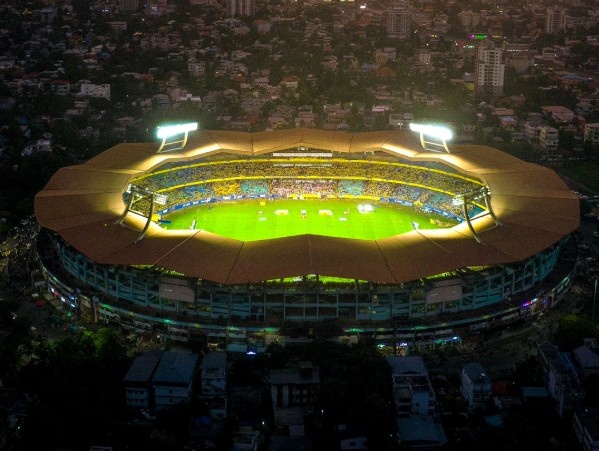
Average attendance nearly crosses 30,000 per game, which places Blasters among the best-supported clubs in all of Asian club football. The 2015 renovation brought the stadium in line with AIFF Premier 1 requirements, and the yellow walls of fan support have not faded since. (Source: inside.fifa)
5. DY Patil Stadium: Navi Mumbai
| Capacity | 45,000 |
| Home Club (2025-26) | Multi-use / International |
| Type | Multi-use |
| Infrastructure Standards | FIFA-standard hybrid turf, full broadcast infrastructure |
DY Patil Stadium holds 45,000 and is one of the few privately owned venues in India that can host international football at short notice. The hybrid turf meets FIFA quality standards, and the broadcast setup needs no temporary upgrades.
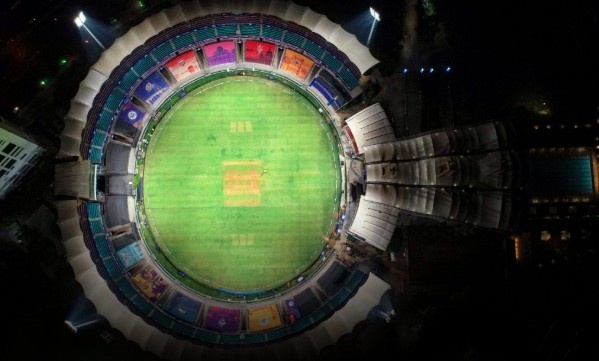
It lacks a permanent ISL tenant, which limits regular football use, but whenever India needs a neutral venue for a high-profile fixture in the west, this ground fills that gap cleanly. (Source: dypatilsportsacademy.edu.in)
6. Birsa Munda Football Stadium: Ranchi
| Capacity | 40,000 |
| Home Club (2025-26) | Local Leagues / Jharkhand FA |
| Type | Dedicated Football |
| Infrastructure Standards | Synthetic turf installed in 2022, upgraded floodlights |
Birsa Munda Football Stadium seats 40,000 and carries the name of Jharkhand’s most celebrated freedom fighter.
The 2022 synthetic turf installation changed the ground’s usability through monsoon months, something that grass surfaces in eastern India struggle with.
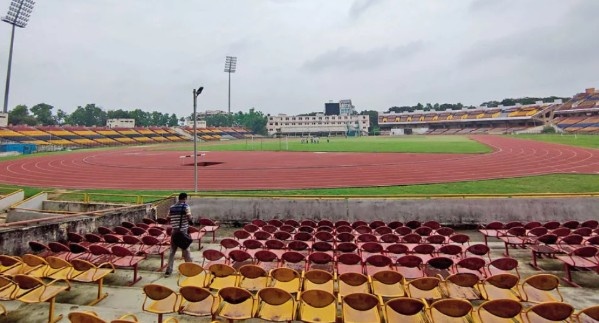
The stadium currently serves Jharkhand FA competitions and state-level tournaments. ISL has not arrived here yet, but the infrastructure is now closer to qualifying than it has ever been.
7. Khuman Lampak Stadium: Imphal
| Capacity | 35,285 |
| Home Club (2025-26) | NEROCA FC / TRAU FC |
| Type | Multi-use |
| Infrastructure Standards | I-League Premier 2 accredited |
Khuman Lampak holds 35,285 and sits at the center of Manipur’s football identity. The state produces some of India’s most technically gifted players, and this stadium has watched many of them develop through I-League club football with NEROCA FC and TRAU FC.
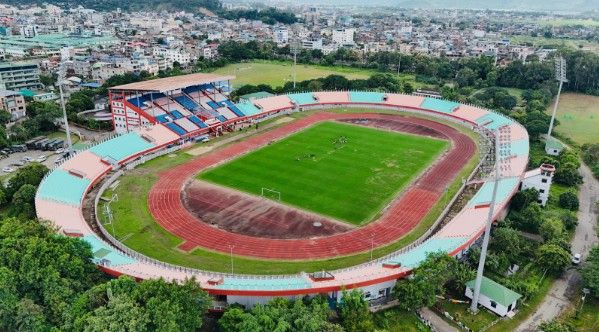
Matches here are not quiet affairs. The Northeast treats football with a seriousness that bigger cities often talk about but rarely deliver on the terraces.
8. Indira Gandhi Athletic Stadium: Guwahati
| Capacity | 30,000 |
| Home Club (2025-26) | NorthEast United FC |
| Type | Multi-use (Athletics) |
| Infrastructure Standards | Temporary football configuration for ISL |
Indira Gandhi Athletic Stadium holds 30,000 and has been NorthEast United FC’s home since the ISL’s early seasons.
The athletics track creates a noticeable gap between the fans and the pitch, which dulls the atmosphere compared to tighter football grounds.
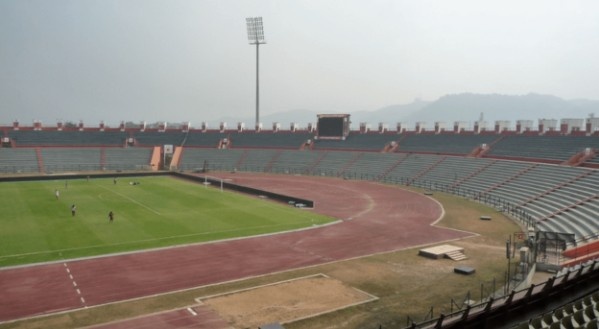
NorthEast United and Assam Football Association have flagged this repeatedly. Infrastructure proposals for a reconfigured setup remain in discussion for the 2026-27 cycle. (Source: saa.assam.gov)
9. GMC Balayogi Stadium: Hyderabad
| Capacity | 30,000 |
| Home Club (2025-26) | Hyderabad FC |
| Type | Multi-use |
| Infrastructure Standards | AIFF Premier 1 compliant, natural grass |
GMC Balayogi Stadium holds 30,000 and gave Hyderabad FC the stage to win their only ISL title in 2021-22. That season, the club played fast, press-heavy football that suited the natural grass surface well.
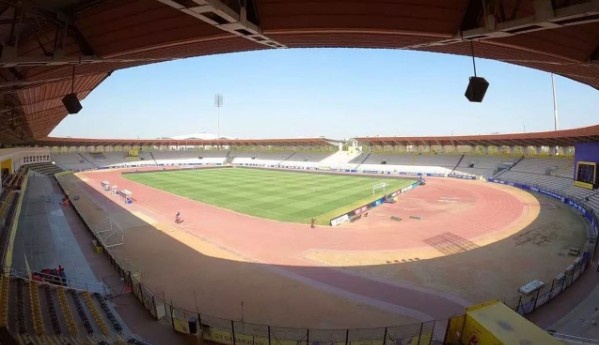
The stadium sits inside the Gachibowli sports complex, which keeps it well-maintained compared to standalone venues across the country. Hyderabad’s football following is growing, and this ground is central to that growth. (Source: keralablastersfc.in)
10. Sree Kanteerava Stadium: Bengaluru
| Capacity | 24,000 |
| Home Club (2025-26) | Bengaluru FC |
| Type | Dedicated Football |
| Infrastructure Standards | AFC-certified, AIFF Club Licensing Premier 1 |
Sree Kanteerava holds 24,000 and has built a reputation that punches well above its size. Bengaluru FC turned this stadium into a fortress through ISL and AFC Cup runs, with a fanbase that shows up prepared, vocal, and tactically aware.
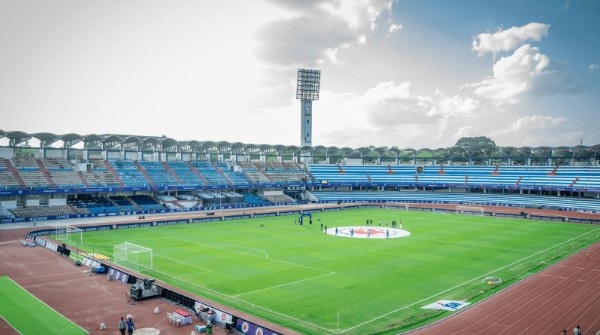
The AFC certification makes it one of the few Indian venues ready for continental club competition without temporary upgrades. Small capacity, but almost nothing is wasted inside it on matchday. (Source: bengalurufc.com)
Which Is The Largest Football Stadium In India?
Salt Lake Stadium in Kolkata, with an official capacity of 85,000, is both the largest football stadium in India and the second-largest football-specific stadium in the world.
Opened in 1984, the ground has hosted SAFF Championships, national team qualifiers, and its biggest test yet: the 2017 FIFA U-17 World Cup.
Across the full tournament, Salt Lake averaged 46,478 per game, a figure FIFA recorded in its official post-tournament report. No other venue in India has been stress-tested at that scale. (Source: FIFA Official U-17 World Cup 2017 Report)
Upcoming Football Stadiums And Infrastructure Developments In India
Uttar Pradesh dropped the biggest infrastructure announcement in Indian football history: 18 dedicated football stadiums and 827 block-level grounds, funded by the state government, with the goal of building a national football development hub from the grassroots up. (source: AIFF)
Odisha is not waiting either. Kalinga Stadium has already hosted AFC Asian Cup qualifiers, and ongoing floodlight upgrades are pushing it toward Premier 1 compliance.
AIFF and SAI are tracking similar pipelines in Goa and Himachal Pradesh. The 75+ count is moving. Fast.
Suggested Reads:
Conclusion: Football Stadiums In India Now Number 75+ And Rising Fast
India has 75+ stadiums capable of hosting competitive football, and around 20 of them hold the AIFF accreditation that actually puts them on the ISL and I-League calendar.
Salt Lake is the crown of Indian football infrastructure. But Bengaluru, Kochi, and Kozhikode show that a stadium does not need 80,000 seats to matter.
With UP’s 18-stadium commitment and SAI’s growing pipeline, the number of match-ready venues will rise sharply by 2027.
FAQs
Salt Lake Stadium, JLN Delhi, DY Patil Stadium, JLN Kochi, EMS Kozhikode, Sree Kanteerava, GMC Balayogi, Khuman Lampak, Birsa Munda Stadium, and Indira Gandhi Athletic Stadium lead the current rankings by capacity and usage.
India has 75+ stadiums capable of hosting competitive football matches, with 69 managed by SAI and around 20 holding active AIFF accreditation for the 2025-26 season.
FIFA infrastructure data estimates over 400,000 registered football grounds globally, with roughly 2,000 to 3,000 venues capable of hosting professional-level competitive matches.
The Maidan grounds in Kolkata have hosted organised football since the late 1800s, making them the oldest football venues in India. Among purpose-built stadiums, Salt Lake Stadium, inaugurated in 1984, holds that position.