
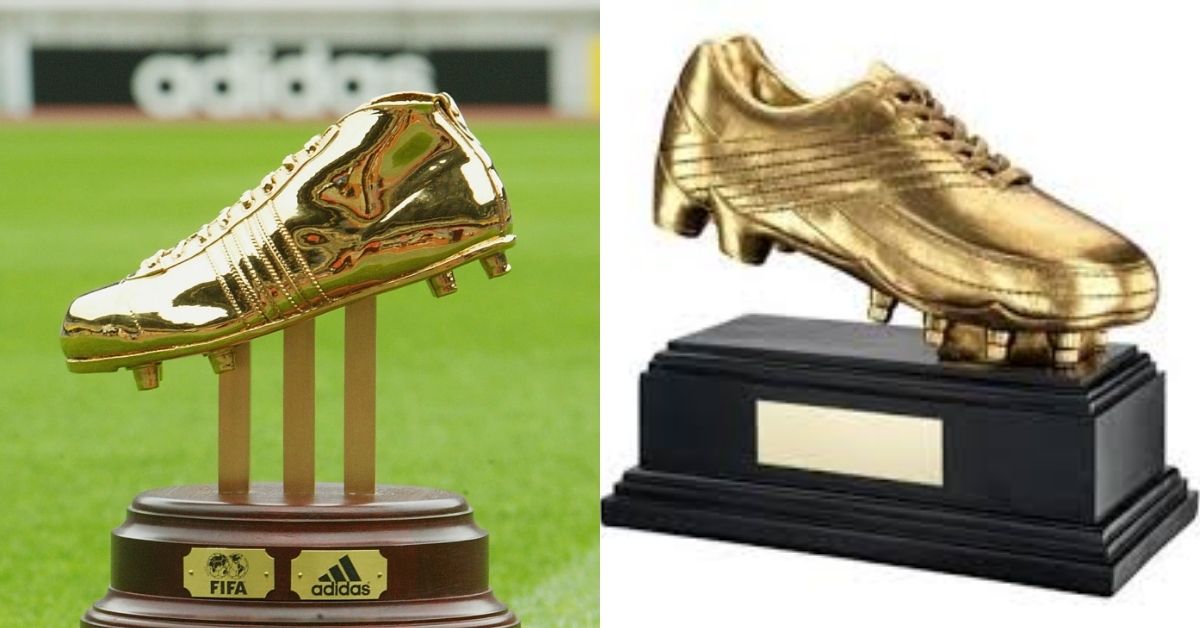
The Golden Boot is one of the most prestigious individual awards in football. It is given to the player who scores the most goals in a competition or season.
There are two main types: the European Golden Shoe, awarded to the top scorer in the top league across Europe, and the FIFA World Cup Golden Boot, awarded to the top scorer in the World Cup.
The award celebrates goal-scoring excellence. It highlights strikers and forwards who consistently find the back of the net throughout a demanding season.
Over the years, the Golden Boot has become a benchmark of attacking brilliance. Winning it even once is considered a massive achievement in a footballer’s career.
Both club-level and international competitions have their own versions. Each carries its own prestige, history, and significance in the world of football.
Why the Golden Boot Matters?
The Golden Boot is not just a personal trophy. It reflects a player’s consistency, form, and ability to deliver goals under pressure across an entire season.
For clubs, having a Golden Boot winner boosts morale and prestige. It confirms that the team has one of the world’s most lethal attackers.

From a commercial perspective, Golden Boot winners attract massive sponsorship deals, media attention, and global recognition beyond just their club or country.
Fantasy football managers closely track the Golden Boot contenders. Owning a top goal scorer can often be the difference between winning and losing a fantasy league.
The award also inspires young players worldwide. For aspiring strikers, it represents the pinnacle of individual goal-scoring achievement at the highest level.
History of the Golden Boot
The Golden Boot has a rich history, honoring top goal-scorers across leagues, World Cups, and the Premier League, celebrating football’s most prolific and legendary strikers.
The European Golden Shoe
The European Golden Boot, now officially called the European Golden Shoe, was introduced in the 1967–68 season by the European Sports Media (ESM) group.
Eusébio of Benfica became the first-ever winner, scoring an incredible 42 goals in the Portuguese league. His achievement set a high bar for future contenders.

In the early years, all goals counted equally regardless of which league the player competed in. This led to debates about the fairness of the system.
A revised system was introduced in 1991 that weighted goals by league coefficient. This change ensured top European leagues received appropriate recognition.
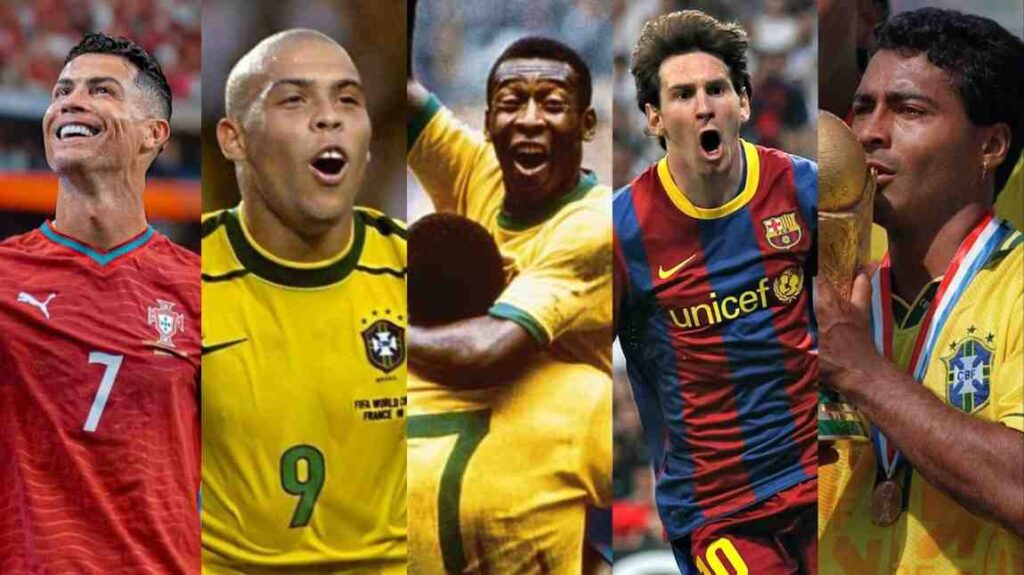
The award gained global visibility in the 2000s, largely due to the fierce competition between Lionel Messi and Cristiano Ronaldo, who dominated the leaderboard.
The FIFA World Cup Golden Boot
The World Cup Golden Boot dates back to 1930, when Guillermo Stábile of Argentina scored 8 goals at the inaugural tournament held in Uruguay.
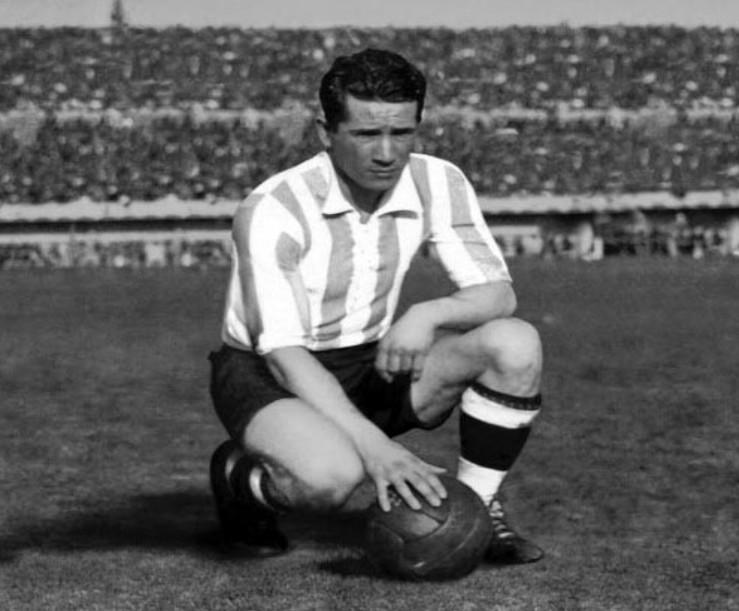
However, the award was not officially recognised in England until 1966, when Eusébio won it with 9 goals for Portugal. FIFA formalised the trophy in 2010.
The World Cup Golden Boot carries immense prestige because it is earned at the world’s most-watched sporting event, watched by billions globally.
Premier League Golden Boot
The Premier League has its own Golden Boot for the top scorer each season. Alan Shearer holds the all-time record with 260 Premier League goals.
Thierry Henry won the Premier League Golden Boot four times with Arsenal. Harry Kane and Mohamed Salah have won it multiple times in recent seasons.
How the Golden Boot is Awarded
The Golden Boot is awarded using league-weighted points in Europe, while World Cup ties rely on assists and minutes, ensuring the most prolific scorer earns the prize.
European Golden Shoe — The Points System
For the European Golden Shoe, goals are not simply counted. They are multiplied by the coefficient assigned to each domestic league across Europe.
The top five leagues, England, Spain, Germany, Italy, and France, carry the highest multipliers. This rewards players competing in the most competitive environments.
The coefficient system ensures fairness. A player scoring 30 goals in La Liga earns more points than one scoring 30 in a lower-ranked European league.
League Coefficient Multiplier Table
| League | Multiplier | Example Goals | Points |
|---|---|---|---|
| Premier League (England) | ×2.0 | 30 | 60.0 |
| La Liga (Spain) | ×2.0 | 35 | 70.0 |
| Bundesliga (Germany) | ×2.0 | 28 | 56.0 |
| Serie A (Italy) | ×2.0 | 30 | 60.0 |
| Ligue 1 (France) | ×1.5 | 25 | 37.5 |
| Primeira Liga (Portugal) | ×1.5 | 25 | 37.5 |
FIFA World Cup Golden Boot — Tiebreakers
At the World Cup, if two players score the same number of goals, assists are used as a tiebreaker. Minutes played then determines the final winner if needed.
The Golden Ball (best player) and Golden Glove (best goalkeeper) are awarded alongside the Golden Boot at every FIFA World Cup tournament.
Top 5 Golden Boot Winners
Several players have defined the Golden Boot era with consistent brilliance. Below is a look at the most decorated winners in European Golden Shoe history.
| Player | Country | Wins | Years Won |
|---|---|---|---|
| Lionel Messi | Argentina | 6 | 2010, 2012, 2013, 2017, 2019, 2023 |
| Cristiano Ronaldo | Portugal | 4 | 2008, 2011, 2015, 2021 |
| Thierry Henry | France | 2 | 2004, 2005 |
| Gerd Müller | West Germany | 2 | 1970, 1972 |
| Eusébio | Portugal | 1 | 1968 (First Ever) |
1. Lionel Messi — The Record Breaker
Messi is the undisputed king of the European Golden Shoe with six wins. His peak came at Barcelona, where he regularly scored 40–50 goals per season.

His 2012 win stands out; he scored 50 La Liga goals in a single season, a record that still stands today and may never be broken.
Even at PSG and Inter Miami, Messi remained prolific. His 2023 Golden Shoe at age 35 proved he remains world-class well past his prime.
2. Cristiano Ronaldo — The Relentless Scorer
Ronaldo has won the European Golden Shoe four times across three clubs: Manchester United, Real Madrid, and Juventus, demonstrating his versatility.

His 2011 La Liga season with 40 goals was exceptional. Ronaldo is the only player to win the award with clubs in England, Spain, and Italy.
In international football, Ronaldo is Portugal’s all-time top scorer and has consistently performed well at both the World Cup and the European Championship.
3. Thierry Henry — The Elegant Finisher
Henry won the European Golden Shoe back-to-back in 2004 and 2005 with Arsenal. He was a creative striker who combined pace, skill, and deadly finishing.

His performances during Arsenal’s ‘Invincibles’ season of 2003–04 are legendary. He scored 30 league goals and also contributed heavily with assists.
4. Gerd Müller — Der Bomber
Known as ‘Der Bomber’, West Germany’s Gerd Müller won the European Golden Boot twice in 1970 and 1972 with Bayern Munich in the Bundesliga.
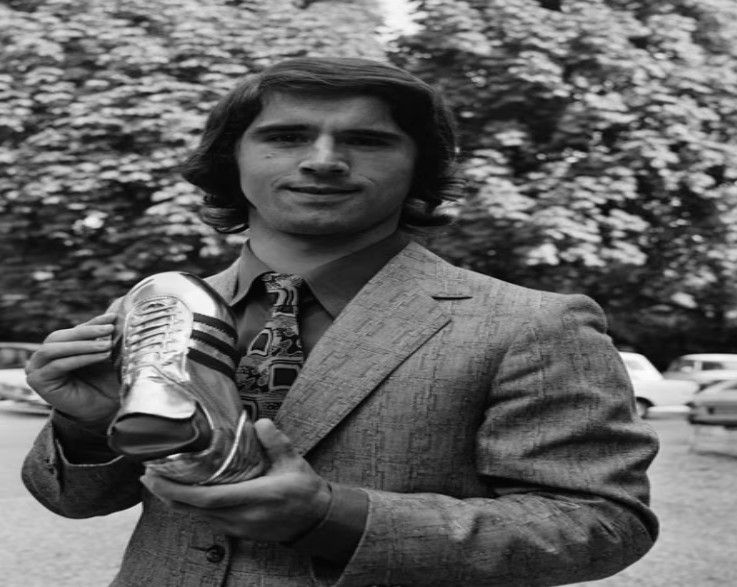
Müller was a master in the box with remarkable instinct. He also won the World Cup Golden Boot in 1970 with 10 goals, an incredible record for the tournament.
5. Eusébio — The Original Legend
Eusébio holds the historic distinction of being the first-ever European Golden Boot winner in 1968. He also won the World Cup Golden Boot in 1966.

The Portuguese icon was one of the most feared strikers of his era. His 42 goals in the 1967–68 season set the tone for this legendary award.
Fun Facts, Records, And Trivia
The Golden Boot has produced some jaw-dropping records over the decades. Here are some of the most fascinating facts that every football fan should know.
| Record | Detail |
|---|---|
| Most European Golden Shoes | Lionel Messi — 6 times |
| Most World Cup Golden Boots | Ronaldo (Brazil) — shared record with 8 goals in 2002 |
| First European Golden Boot Winner | Eusébio — 42 goals for Benfica (1967–68) |
| Youngest World Cup Golden Boot | Kylian Mbappé — 2018 & 2022 |
| Top scorer in a WC tournament | Just Fontaine — 13 goals, France 1958 (no Golden Boot then) |
More Interesting Facts
- Shared Awards: The World Cup Golden Boot has been shared multiple times. In 2018, Harry Kane, Antoine Griezmann, and Romelu Lukaku all had 6 goals initially.
- Mbappé’s Record 2022: Kylian Mbappé scored 8 goals at the 2022 World Cup in Qatar — the most by any player in a single World Cup since 2002.
- Golden Boot vs Golden Ball: Interestingly, the top scorer does not always win the best player award. In 2022, Mbappé won the Golden Boot, but Messi took the Golden Ball.
- Just Fontaine’s Ghost Record: Just Fontaine scored 13 goals at the 1958 World Cup, still the all-time record, but the Golden Boot was not officially awarded then.
- Ronaldo vs Messi Rivalry: Between 2008 and 2021, Messi and Ronaldo shared 10 European Golden Shoes between them, monopolising the award for over a decade.
Conclusion: The Golden Boot is Football’s Ultimate Goal-Scorer Honor
The Golden Boot is far more than a personal accolade. It symbolises the relentless pursuit of excellence by football’s greatest attacking talents year after year.
From Eusébio’s pioneering win in 1968 to Mbappé’s brilliant 2022 World Cup haul, the award has chronicled the evolution of goal-scoring in modern football.
Legends like Messi, Ronaldo, Henry, and Müller have etched their names in Golden Boot history. Their records inspire the next generation of strikers globally.
Whether at club or international level, winning the Golden Boot remains the ultimate individual honour for any footballer who lives to score goals.
As football continues to evolve, the Golden Boot will continue to celebrate those who light up stadiums, one goal at a time, one season at a time.
FAQs
Both terms refer to the same award in different contexts. ‘Golden Shoe’ is the official European name; ‘Golden Boot’ is more widely used globally.
Lionel Messi holds the record for the most European Golden Shoes with six wins, making him the greatest goal-scoring machine in European league history.
Goals are multiplied by the league’s coefficient. Top leagues like the Premier League and La Liga carry a ×2.0 multiplier, rewarding competition in elite divisions.
Kylian Mbappé of France won the 2022 FIFA World Cup Golden Boot in Qatar with 8 goals, also finishing as the tournament’s top scorer.
Yes, though it’s rare. The Golden Boot rewards top scorers, while the Golden Ball honours the tournament’s best overall player.