

Football is the most-watched and most-played sport on earth. Over 4 billion fans follow it passionately. At its core, the game is governed by just 17 rules.
These 17 Laws of the Game are written and maintained by the International Football Association Board (IFAB), which was founded in 1886. Every match worldwide follows these same rules.
Whether it is a World Cup final or a Sunday league kickabout, these laws create a universal standard. They ensure fair play, safety, and consistency across every level of football.
In this article, we will walk you through all 17 laws in detail.
Quick Overview: All 17 Laws At A Glance
Here is a summary table of all 17 Laws of the Game as defined by IFAB. This gives you a bird’s-eye view before we dive deeper into each one.
| Law No. | Law Name | Key Focus |
|---|---|---|
| Law 1 | The Field of Play | Dimensions & markings of the pitch |
| Law 2 | The Ball | Size, weight & material specifications |
| Law 3 | The Players | Team composition & substitutions |
| Law 4 | Players’ Equipment | Kit, boots & safety gear |
| Law 5 | The Referee | Authority, duties & decisions |
| Law 6 | Assistant Referees | Offside, throw-in & goal calls |
| Law 7 | Duration of the Match | Two 45-min halves & added time |
| Law 8 | Start & Restart of Play | Kick-off and drop ball rules |
| Law 9 | Ball In and Out of Play | When play continues or stops |
| Law 10 | Determining the Outcome | Scoring a valid goal |
| Law 11 | Offside | Positional rule for attackers |
| Law 12 | Fouls & Misconduct | Free kicks, yellow & red cards |
| Law 13 | Free Kicks | Direct and indirect free kicks |
| Law 14 | The Penalty Kick | Spot kick from 12 yards |
| Law 15 | The Throw-In | Restarting after the ball leaves the pitch |
| Law 16 | The Goal Kick | Restart from the goalkeeper’s area |
| Law 17 | The Corner Kick | Restart from the corner arc |
Let’s understand every rule one-by-one in detail:
Law 1 – The Field Of Play
The field of play, also called the pitch, must be a rectangular surface of natural or artificial grass. The markings on it are an essential part of play.
A standard pitch must have a touchline (longer sides) and a goal line (shorter sides). All boundary lines must be of equal width, not exceeding 12 cm.
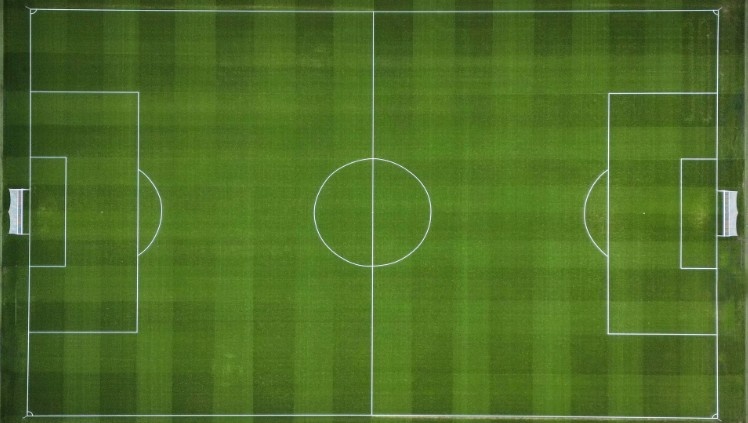
The centre circle has a radius of 9.15 metres. The penalty area extends 16.5 metres from each goalpost. The goal area sits 5.5 metres from each post.
Goalposts must be white and made of approved materials. They are 7.32 metres wide and 2.44 metres high. A crossbar connects both posts at the top.
Field Dimensions Table
| Category | Minimum | Maximum |
|---|---|---|
| Length (Touchline) | 90 metres (100 yards) | 120 metres (130 yards) |
| Width (Goal Line) | 45 metres (50 yards) | 90 metres (100 yards) |
| Goal Width | 7.32 metres (8 yards) | 7.32 metres (8 yards) |
| Goal Height | 2.44 metres (8 feet) | 2.44 metres (8 feet) |
| Penalty Area | 16.5m from each post | — |
| Centre Circle Radius | 9.15 metres (10 yards) | — |
| International Match Length | 100 metres | 110 metres |
| International Match Width | 64 metres | 75 metres |
Law 2 – The Ball
The ball is the single most important piece of equipment in football. Law 2 defines exact specifications so every game is played with a fair, consistent ball.
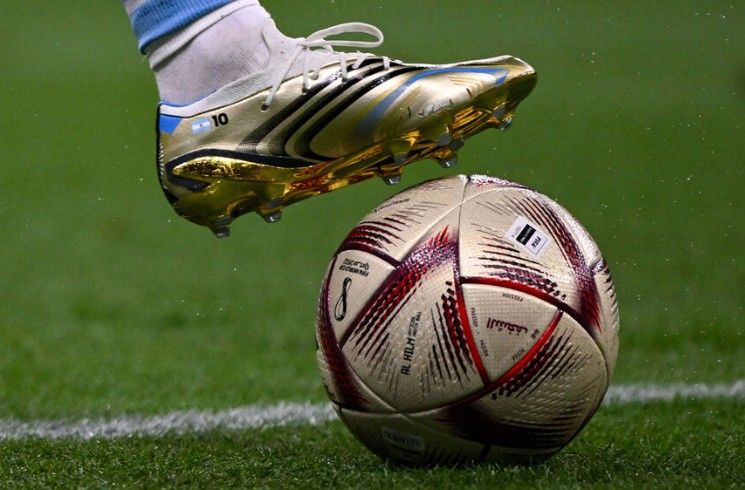
The ball must be spherical and made of leather or an approved material. Its circumference must be 68 to 70 cm. It must weigh between 410 and 450 grams at kick-off.
Air pressure inside the ball must stay between 0.6 and 1.1 atmospheres. If the ball bursts mid-game, play stops, and a replacement ball is used immediately.
Ball Specifications Table
| Specification | Detail |
|---|---|
| Circumference | 68–70 cm (27–28 inches) |
| Weight (Start of Match) | 410–450 grams (14–16 oz) |
| Pressure | 0.6–1.1 atmospheres (600–1100 g/cm²) |
| Material | Leather or other suitable material |
| Shape | Spherical |
| Size | Size 5 (for senior play) |
Law 3 – The Players
A match is played between two teams. Each team must have at most 11 players on the field, including one designated goalkeeper. No match can begin with fewer than 7 players per side.
Substitutions are a key part of this law. In most competitions, teams are allowed to make up to 3 substitutions during normal time. Some competitions allow 5.
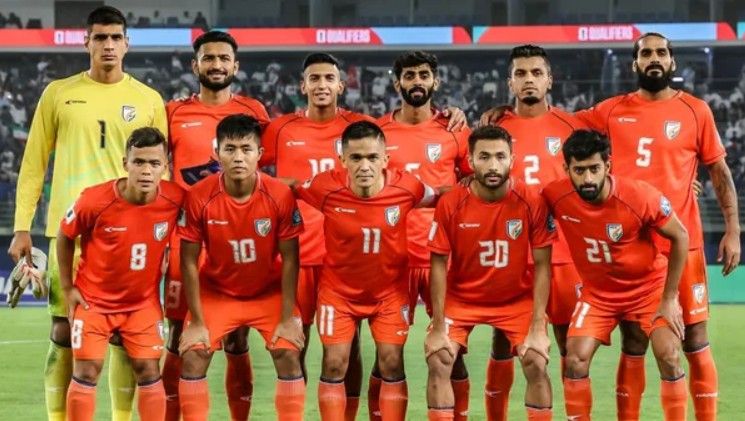
A player who is sent off cannot be replaced. The team plays with fewer players for the remainder of the match. A concussed player can be substituted as a special case.
A player leaving the field without permission from the referee is considered to have committed a misconduct offence. The referee holds ultimate authority over player presence.
Law 4 – The Players’ Equipment
Player safety is the core purpose of Law 4. Each player must wear a jersey or shirt, shorts, socks, shinguards, and footwear. All equipment must meet safety standards.
Shinguards are compulsory and must be covered entirely by the socks. They must be made of rubber, plastic, or a similar material to provide reasonable protection.
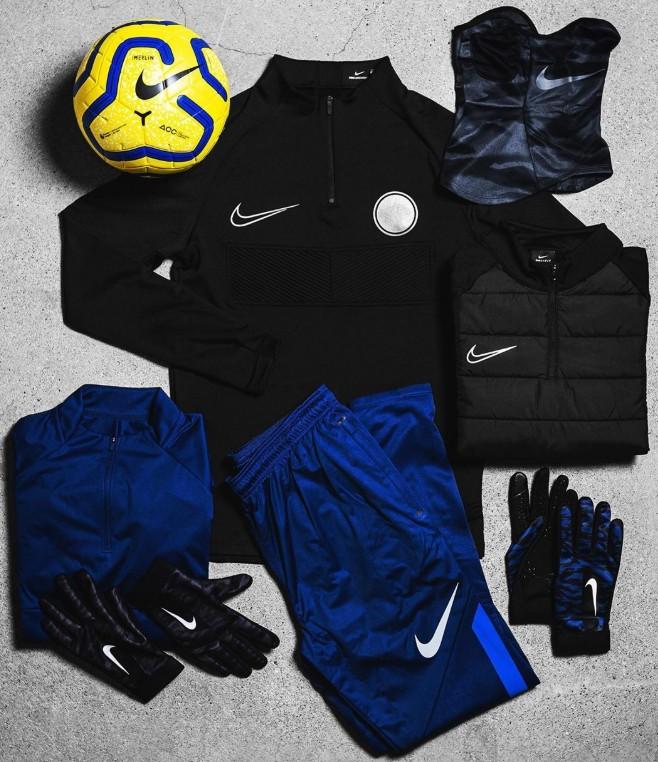
Goalkeepers must wear colours that distinguish them from all other players and the referee. This avoids confusion during gameplay and set pieces.
Players are not allowed to wear items that could cause injury to others. Jewellery, hard casts, or sharp accessories must be removed before a player takes the field.
Law 5 – The Referee
The referee is the sole authority on the field of play. Their decisions on facts during the match are final. No player or official can overrule the referee once the call is made.
The referee has the power to stop, suspend, or abandon a match at any time. This could be due to weather, floodlight failure, crowd trouble, or player misconduct.
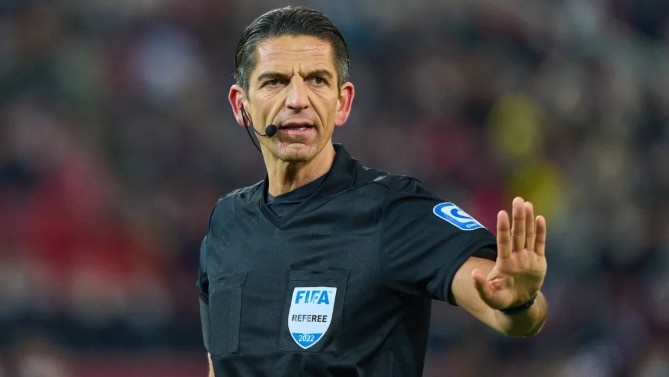
Referees can use the Video Assistant Referee (VAR) system where available. VAR reviews only goals, penalty decisions, red cards, and cases of mistaken identity.
The referee also keeps track of time and indicates how much added time will be played at the end of each half. This decision is final and cannot be contested.
Law 6 – The Assistant Referees
Each match typically has two assistant referees, commonly called linesmen. They patrol one half of the touchline each and assist the main referee with decisions.
Assistant referees signal offside, throw-ins, goal kicks, corner kicks, and substitutions. They use a flag to signal these situations to the on-field referee.
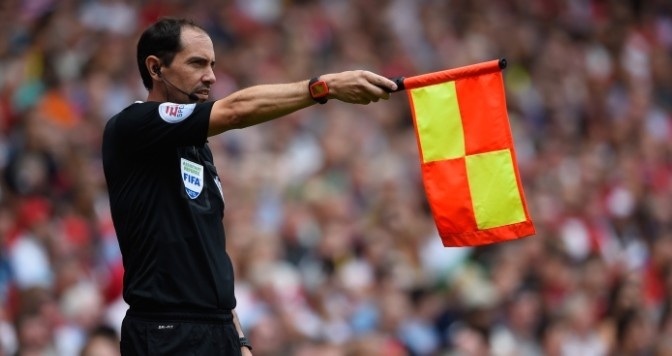
Their decisions are advisory. The main referee has the final authority. However, assistant referees can also alert the referee to incidents missed near the touchline.
In top-level matches, a fourth official is also present. They manage substitution boards, communicate with technical staff, and assist with administrative duties during the game.
Law 7 – The Duration of the Match
A standard football match consists of two equal halves, each lasting 45 minutes. The half-time interval must not exceed 15 minutes. The referee controls timing throughout.
Time lost due to substitutions, injuries, goal celebrations, VAR checks, or disciplinary stoppages is added to the end of each half as injury time or added time.

If a match needs a winner and ends in a draw, extra time is played. This consists of two 15-minute periods. If the match is still level, a penalty shootout determines the winner.
In recent tournaments, the IFAB guidelines encourage referees to record times more accurately. This has led to significantly longer added times than seen in previous decades.
Law 8 – The Start and Restart of Play
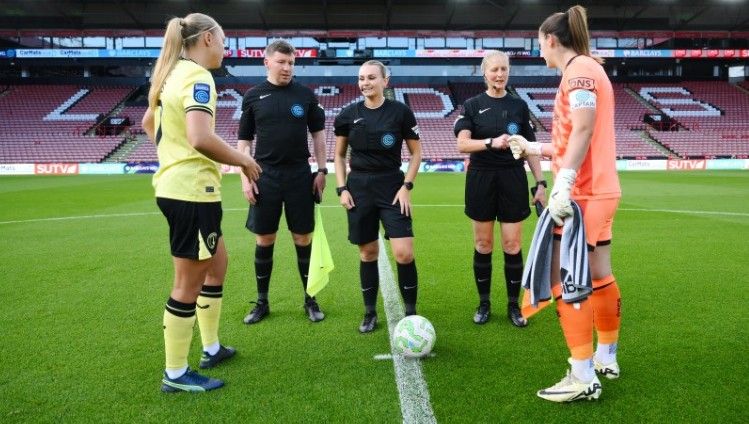
Every match begins with a kick-off from the centre circle. The team that wins the coin toss decides which goal to attack first. The other team takes the kick-off.
A kick-off is also used to restart play after a goal is scored. The team that conceded takes the kick-off. The ball must move forward before others can touch it.
A drop ball is used to restart play after a stoppage not covered by any other restart. The goalkeeper gets the ball in their half in most practical situations today.
After a goal is scored, all players must return to their own half before play restarts. Opponents must stay outside the centre circle until the ball is in play.
Law 9 – The Ball In and Out of Play
The ball is considered out of play only when it fully crosses the touchline or goal line. Even if it rolls back into the field, play remains live until it fully exits.
The ball is in play at all other times. It can rebound off the goalposts, crossbar, corner flags, or even the referee and still be considered a live ball.
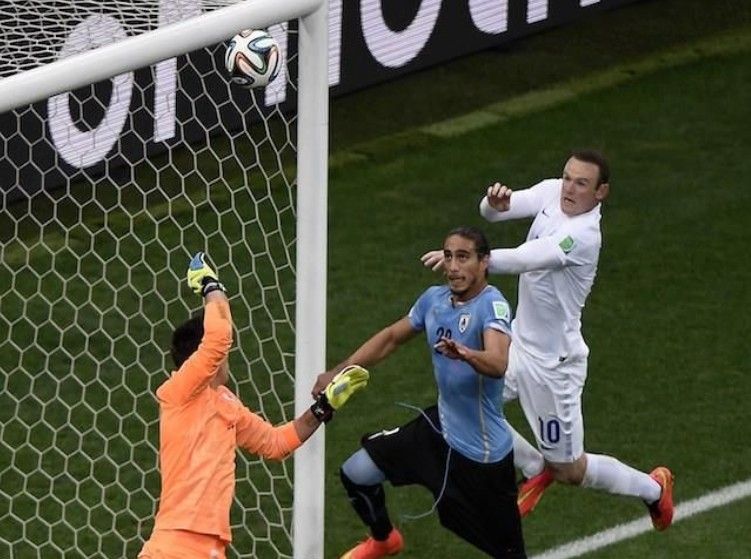
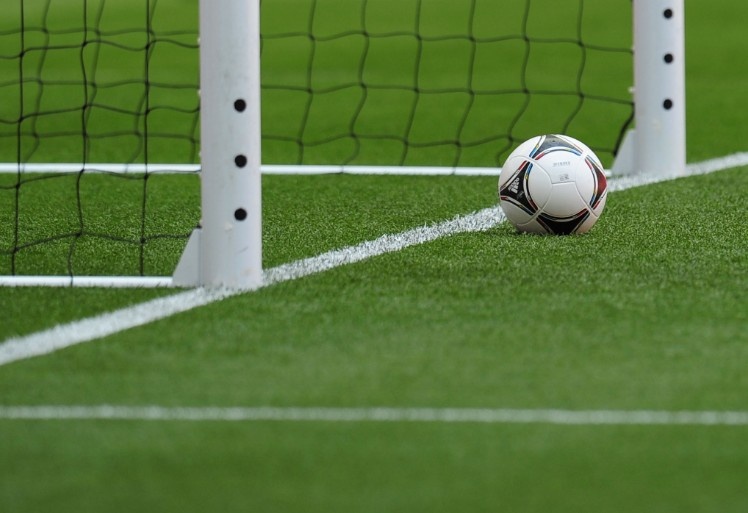
This law is often misunderstood by spectators. A ball that rolls along the goal line but does not fully cross it is still in play. This has decided many matches in history.
Goal-line technology is now used in major competitions to confirm whether the ball has fully crossed the line. It provides an instant and highly accurate decision.
Law 10 – Determining the Outcome of a Match
A goal is scored when the entire ball crosses the goal line, between the posts, and under the crossbar. The ball must not be thrown, carried, or handled into the net.
The team with the most goals at the end of the match wins. If the score is level, the match is a draw unless competition rules require a definitive winner.
Goals cannot be awarded if an offside, foul, or handball occurred in the build-up. VAR reviews all goals to ensure no law was broken during the scoring sequence.
In competitions that require a winner, drawn matches go to extra time, then penalties. A penalty shootout is taken in alternating kicks until a winner is determined.
Law 11 – Offside
Offside is one of football’s most discussed and debated laws. A player is in an offside position if any body part they can legally score with is nearer to the goal than both the ball and the second-last defender.
Being in an offside position is not an offence by itself. A player is only penalised if they are actively involved in play at the moment the ball is played forward by a teammate.
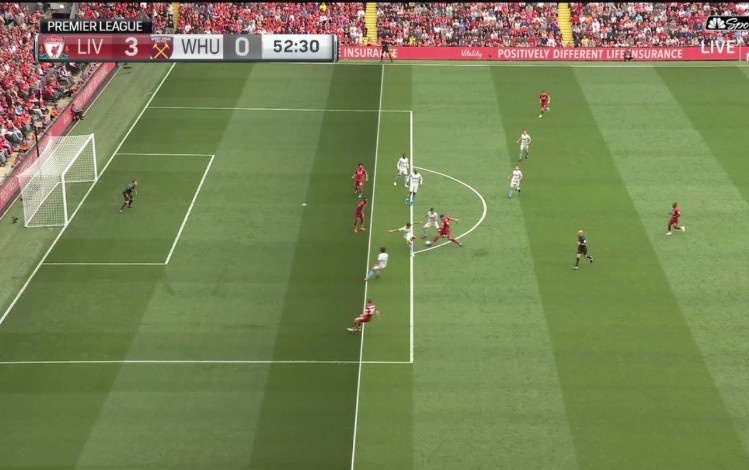
Goalkeepers count as defenders. So a player is offside if only the goalkeeper stands between them and the goal when the ball is passed to them from behind.
Arms are not included in offside calculations. Hands and arms up to the shoulder are excluded. A millimetre of shoulder or torso ahead of the defender is enough for offside.
Law 12 – Fouls and Misconduct
Law 12 is arguably the most comprehensive law in football. It covers all types of physical offences, handball, and disciplinary actions a referee can take during a match.
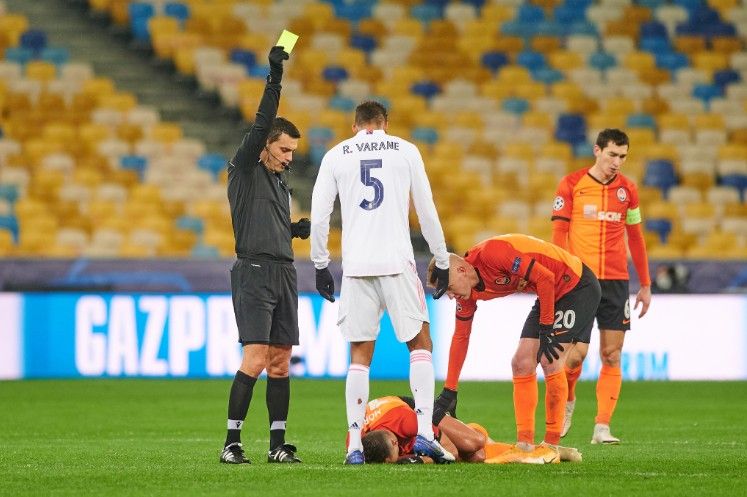
A direct free kick is awarded for careless, reckless, or excessive-force challenges. Handball, jumping into an opponent, or pushing are also direct free-kick offences.
An indirect free kick is given for dangerous play, obstruction, or when the goalkeeper holds the ball for more than six seconds inside the penalty area.
Disciplinary Cards: Yellow and Red
The referee can caution players with a yellow card or send them off with a red card. Two yellow cards in one match result in an automatic red card and dismissal.
| Card | Common Offences |
|---|---|
| Yellow Card | Dissent, reckless challenge, time-wasting, unsporting behaviour |
| Two Yellow = Red | Second bookable offence in the same match |
| Straight Red Card | Serious foul play, violent conduct, denying a clear goal-scoring opportunity |
Law 13 – Free Kicks
Free kicks restart play after a foul or infringement. There are two types of free kicks: direct and indirect. Understanding the difference is crucial for players and fans.
A direct free kick means the kicker can score directly from the kick without another player touching the ball first. Most fouls in open play result in a direct free kick.
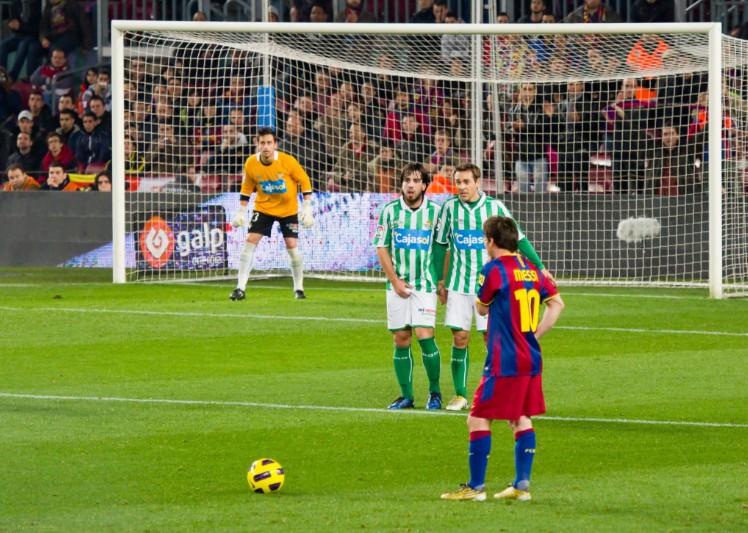
An indirect free kick must touch another player before entering the goal. The referee signals this by holding an arm above the head until a second player touches the ball.
Opponents must stand at least 9.15 metres from the ball until it is in play. A free kick inside the penalty area by the defending team must exit the area before being played.
Law 14 – The Penalty Kick
A penalty kick is one of football’s most dramatic and decisive moments. It is awarded when a direct free kick offence is committed inside the penalty area by a defending player.
The kick is taken from the penalty spot, which is 11 metres from the goal line. Only the goalkeeper and the kicker are in the penalty area before the kick is taken.
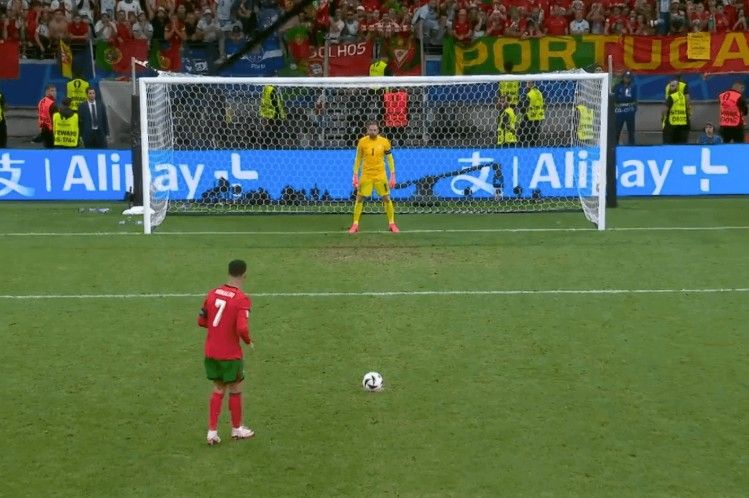
The goalkeeper must stay on the goal line between the posts until the ball is struck. They can move sideways but not forward before the ball is kicked.
If the goalkeeper saves the penalty but encroaches before it is taken, the kick is retaken. If the kicker encroaches and scores, the goal is disallowed, and an indirect free kick is given.
Law 15 – The Throw-In
A throw-in is awarded to the opponents of the player who last touched the ball before it crossed the touchline. It is the most common restart in football.
The throw-in must be taken from the point where the ball exited the field. The thrower must face the field, use both hands, and throw from behind and over the head.
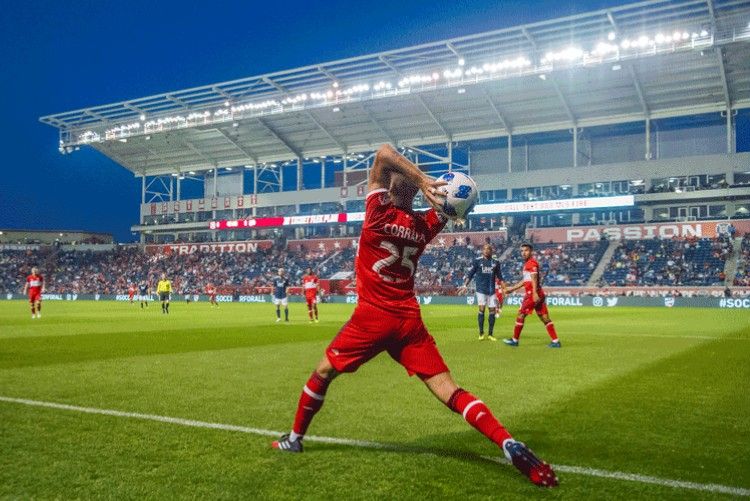
Both feet must be on or behind the touchline at the moment of release. If the technique is incorrect, the throw-in is awarded to the opposing team.
A goal cannot be scored directly from a throw-in. If the ball enters the goal without touching another player, a goal kick or corner kick is awarded, depending on which end.
Law 16 – The Goal Kick
A goal kick is awarded when the ball fully crosses the goal line and was last touched by an attacking player. The defending goalkeeper typically takes the goal kick.
The ball is placed anywhere inside the goal area, which is the small box inside the penalty area. The kick can be taken by any defending player, not just the goalkeeper.

Until recently, the ball had to leave the penalty area before another player could touch it. IFAB changed this rule in 2019 to allow teammates to receive the ball inside the area.
Opponents must stay outside the penalty area until the ball is in play. The ball is in play once it is kicked and moves. Short goal kicks are now a common tactical option.
Law 17 — The Corner Kick
A corner kick is awarded when the ball crosses the goal line and was last touched by a defending player, without a goal being scored. It is a significant attacking opportunity.
The ball is placed inside the corner arc at the nearest corner flag. The arc has a radius of 1 metre. Opponents must stand at least 9.15 metres from the corner arc.

A goal can be scored directly from a corner kick. This is called a Olimpico goal. It is rare but legal under the Laws of the Game and has occurred in professional football.
The corner flag cannot be moved to take the corner. Players must kick around it or use the space carefully. A corner kick cannot result in offside directly.
Conclusion: Knowing The 17 Rules Makes You A Smarter Football Fan
Understanding the 17 Laws of the Game helps football fans see the sport in a completely different way. Referee decisions, fouls, and restarts start to make sense during intense and emotional moments.
Knowing these laws also makes VAR reviews and disciplinary actions much clearer. Instead of confusion or frustration, fans can follow the reasoning behind decisions and appreciate the game’s fairness.
The laws cover almost every situation that can happen on the pitch, from the size of the ball to serious misconduct. Their simple design keeps football organized and consistent worldwide.
The International Football Association Board continues to update the laws to keep football fair and modern. For players, coaches, and passionate fans, learning them deepens understanding and enjoyment of the beautiful game.
FAQs
The International Football Association Board (IFAB) is responsible for writing, reviewing, and updating the 17 Laws of the Game.
Yes, IFAB reviews and updates the Laws of the Game annually at its AGM, requiring a three-quarters majority, while FIFA can test experimental rules before official adoption.
Not always. Under Law 12, handball is an offence only if deliberate or if the hand/arm is in an unnatural position; accidental handball is usually not penalised unless it leads to a goal.
A direct free kick lets a player score without another touch, while an indirect free kick requires the ball to touch another player first, signaled by the referee raising one arm.
Under Law 3, each team can make three substitutions traditionally, but many leagues now allow up to five in regular time, with some tournaments permitting an extra change in extra time.