

Bengaluru FC Academy is the best football academy in India, one of just three institutions nationwide to hold the All India Football Federation’s top five-star accreditation for the 2025-26 season.
Three academies share that five-star peak, four more academies sit right behind them with four-star ratings, and three long-running institutions round out the top ten with three-star ratings.
This article goes beyond the star ratings to cover the individuals who built each academy, the historic results behind their reputations, the city ecosystems that support them, and what makes each institution different from the next.
Top 10 Best Football Academies in India: AIFF-Rated Rankings for 2025-26
The ranking follows the AIFF’s official 2025-26 Academy Accreditation results, the closest thing Indian football has to a league table for youth academies.
| Rank | Academy | City / State | Founded | AIFF Rating (2025–26) | Average Training Fee per Year |
|---|---|---|---|---|---|
| 1 | Bengaluru FC Academy | Bengaluru, Karnataka | 2013 | Five-Star | ₹42,000 (Non-Residential) |
| 2 | Reliance Foundation Young Champs | Navi Mumbai, Maharashtra | 2015 | Five-Star | Fully Sponsored |
| 3 | Punjab FC Academy | Mohali, Punjab | 2019 | Five-Star | ₹1,25,000 (Residential) |
| 4 | Minerva Academy FC | Mohali, Punjab | 2005 | Four-Star | ₹1,25,000 (Residential) |
| 5 | Tata Football Academy (Jamshedpur FC) | Jamshedpur, Jharkhand | 1987 | Four-Star | Fully Sponsored |
| 6 | Alchemy International Football Academy | Bengaluru, Karnataka | 2013 | Four-Star | ₹2.5 lakh–₹4.5 lakh (Residential) |
| 7 | FC Madras | Mahabalipuram, Tamil Nadu | 2018 | Four-Star | ₹25,000–₹40,000 (Non-Residential) |
| 8 | Mumbai City FC Academy | Mumbai, Maharashtra | 2018 | Three-Star | ₹18,000–₹50,000 |
| 9 | Bhaichung Bhutia Football Schools | Delhi (Centres Nationwide) | 2010 | Three-Star | ₹26,250 (Non-Residential) |
| 10 | South United FC | Bengaluru, Karnataka | 2012 | Three-Star | ₹9,50,000 (Residential) |
Now let’s break down what made each entry stand out.
1. Bengaluru FC Academy: The Only Five-Star Setup Run by an ISL Club

Bengaluru FC Academy stands out because its own first team leans on academy graduates for genuine minutes, not just token appearances.
Winger Leon Augustine graduated from the setup and pushed his way into senior contention, earning the club’s own B-team Player of the Season award for his performances in the ISL and the AFC Cup.
Captain Sunil Chhetri has publicly named the academy’s Bellary training base as one of only two Indian setups doing youth development the right way, putting it in the same breath as the Reliance Foundation.
JSW’s deep pockets make this level of infrastructure possible, and that raises an honest question. Few other Indian clubs can copy this budget, so the model is hard to replicate nationwide.
2. Reliance Foundation Young Champs: The Scholarship Factory Sending Kids Pro
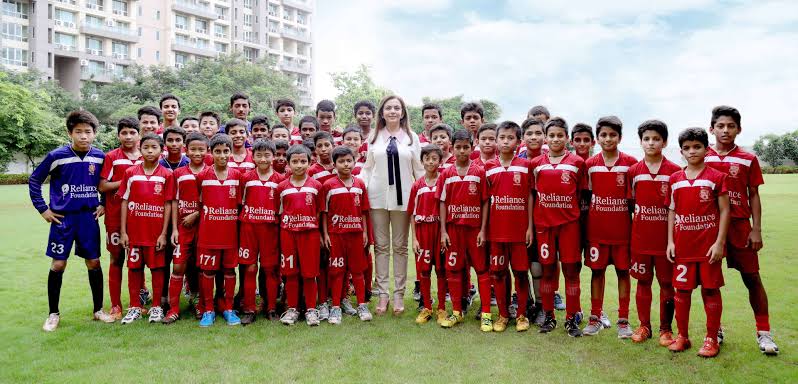
Reliance Foundation Young Champs removes the one barrier that keeps most Indian families out of football: cost.
Every player at the academy receives a fully funded scholarship, and graduate Priyansh Dubey went on to represent India’s U-20 side at the SAFF Championship and the AFC U-20 Asian Cup qualifiers.
The academy became India’s first-ever five-star-rated academy under the AIFF system, and 39 of its graduates have signed professional contracts with Indian clubs over the years.
That scholarship model works because one corporate sponsor foots the entire bill. The honest catch is that this leaves the academy’s future tied to a single company’s continued goodwill.
3. Punjab FC Academy: Built From a Boardroom Split
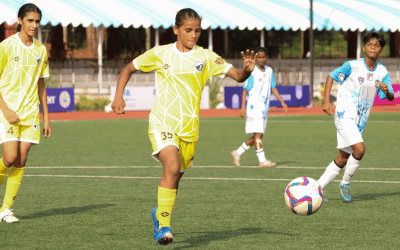
Punjab FC Academy grew out of a dramatic ownership split rather than a slow, organic build.
RoundGlass Sports bought a stake in Ranjit Bajaj’s original Minerva Punjab project in 2019, and the renamed Punjab FC side went on to win the I-League title in 2023.
The split meant Bajaj kept his youth factory as a separate entity, while Punjab FC inherited the senior structure and the RoundGlass budget behind it.
This divorce produced two strong programs instead of one, which is unusual in Indian football. The open question is which side keeps producing more talent over the next decade.
4. Minerva Academy FC: The Academy That Beat Liverpool
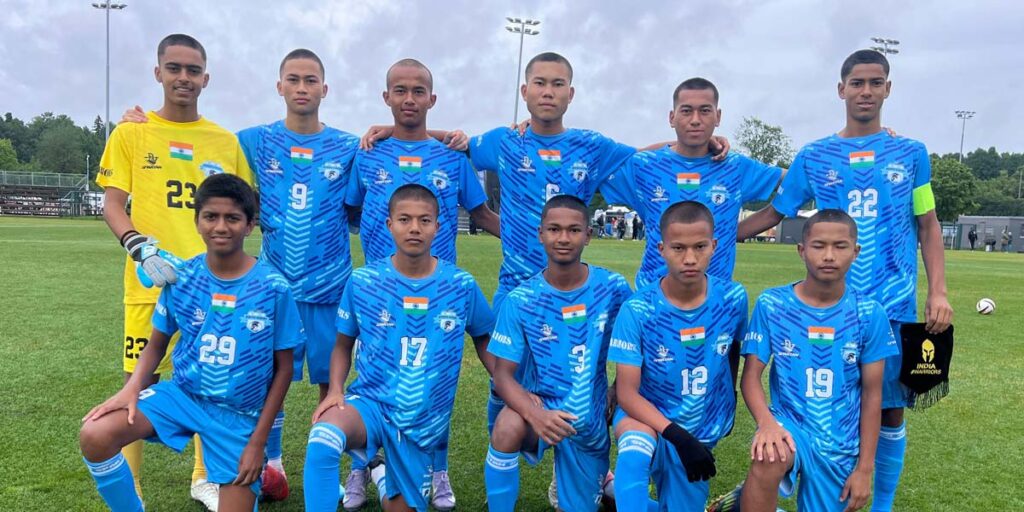
Minerva Academy FC built its name on a shoestring budget, then travelled to Europe and embarrassed a Premier League name.
Founder Ranjit Bajaj personally took out a loan and crowdfunded the trip that sent his under-16 side to Spain’s MIC Cup, often called world youth football’s toughest tournament.
Minerva swept the Gothia Cup, the Dana Cup, and the Norway Cup in a single year, and beat Liverpool’s under-15 side 6-0. Graduate Jeakson Singh later scored India’s first-ever goal at a FIFA U-17 World Cup.
Bajaj’s results prove that money is not the only route to quality football. He also clashes constantly with officials, which shows how much grassroots ambition still runs up against India’s football bureaucracy.
5. Tata Football Academy: Indian Football’s Oldest Production Line
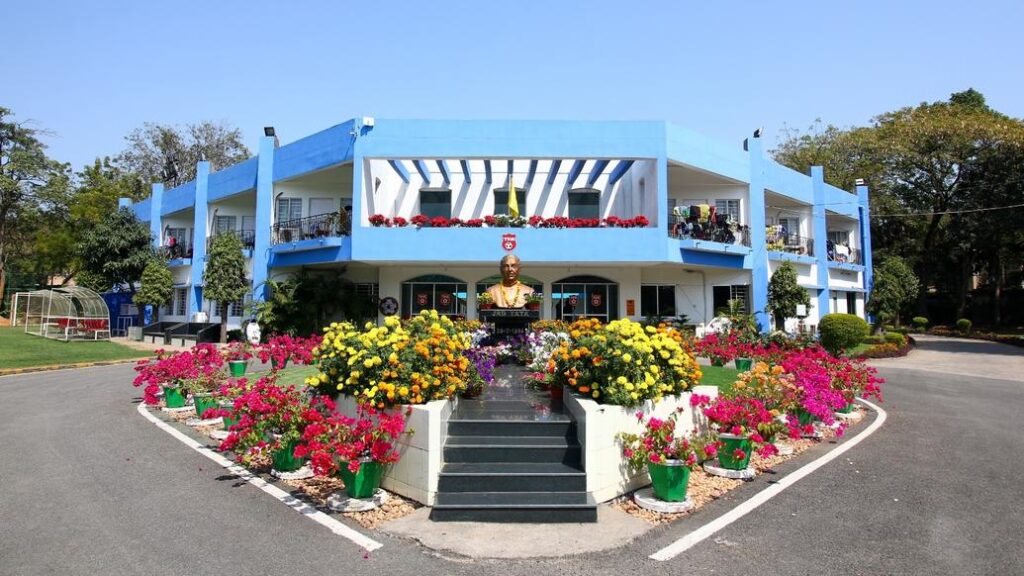
Tata Football Academy opened its doors long before most current Indian football fans were born, and it still supplies first-team players today.
Chuni Goswami, one of Indian football’s greatest forwards, served as the academy’s first director and set the early coaching standards that followed.
Since 1987, 303 cadets have graduated from the academy, and 149 of them, or 49 percent, went on to play professionally or for India. Twenty-eight TFA graduates currently play in the ISL.
A near-50 % conversion rate is remarkable for any residential program anywhere. The honest concern is that Tata Steel now pours more attention into Jamshedpur FC’s senior team than into the academy that built it.
6. Alchemy International Football Academy: Bengaluru’s European Franchise Model
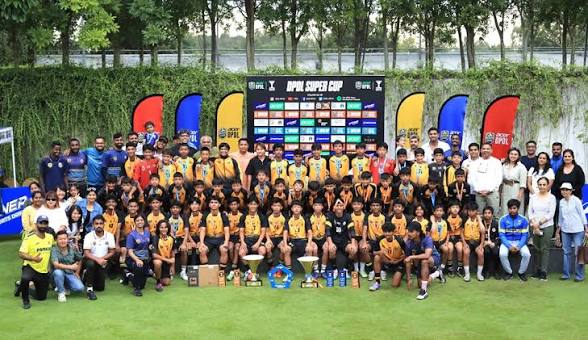
Alchemy International Football Academy runs its program the way a European club would, importing a partner badge instead of building methodology alone.
The academy now operates as the official Villarreal CF academy partner in Bengaluru, after an earlier affiliation with Argentina’s Boca Juniors.
Alchemy claims the number one grassroots ranking in AIFF’s accreditation results for seven straight years, a rare run of consistency in a sector where academies open and close constantly.
Franchise partnerships raise coaching standards quickly, which is a genuine strength. The real test is whether Alchemy turns that consistency into senior professionals, not just partner logos on training kits.
7. FC Madras: Chasing the Next Star from Mahabalipuram
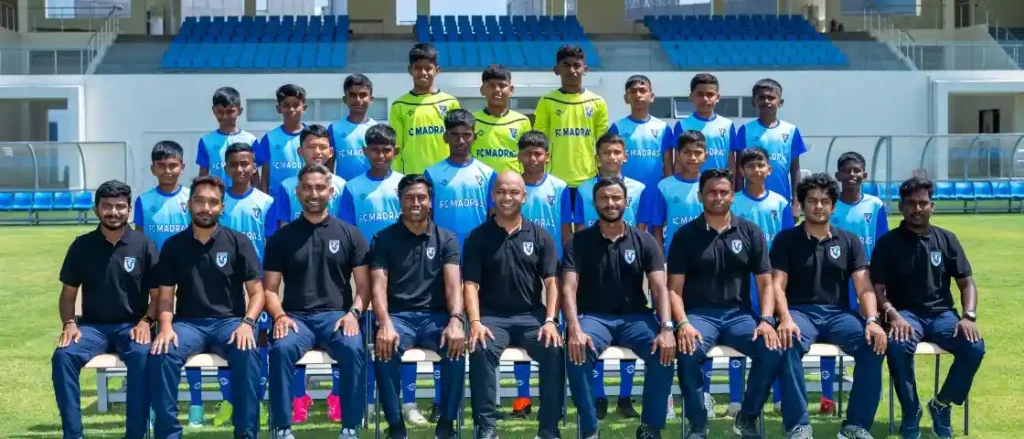
FC Madras built a 23-acre residential campus on the Tamil Nadu coast purely to search for a rare kind of talent.
The club appointed a new CEO who once captained the Indian national team across 43 international appearances and later served as the AIFF’s general secretary.
In one recent intake alone, FC Madras scouted 2,416 boys from across the country before narrowing the pool to just 50 residential scholarship spots.
That scale of scouting shows serious intent from a young academy. Converting thousands of trialists into senior internationals will still take years to prove out.
8. Mumbai City FC Academy: City Football Group’s Local Pipeline

Mumbai City FC Academy leans on the global scouting network of its parent group rather than working in isolation.
Midfielder Aadil Sheikh signed his first professional contract in October 2025 after standing out in under-21 and reserve matches, while left-back Nathan Rodrigues arrived after training at Reliance Foundation Young Champs.
The academy’s reserves qualified for the Reliance Foundation Development League’s national round in 2024-25 by winning their regional and zonal titles outright.
City Football Group’s global model brings real structure to the setup. The honest gap is that Mumbai still leans on players developed at rival academies like RFYC rather than raising every talent itself.
9. Bhaichung Bhutia Football Schools: A Legend’s Nationwide Classroom
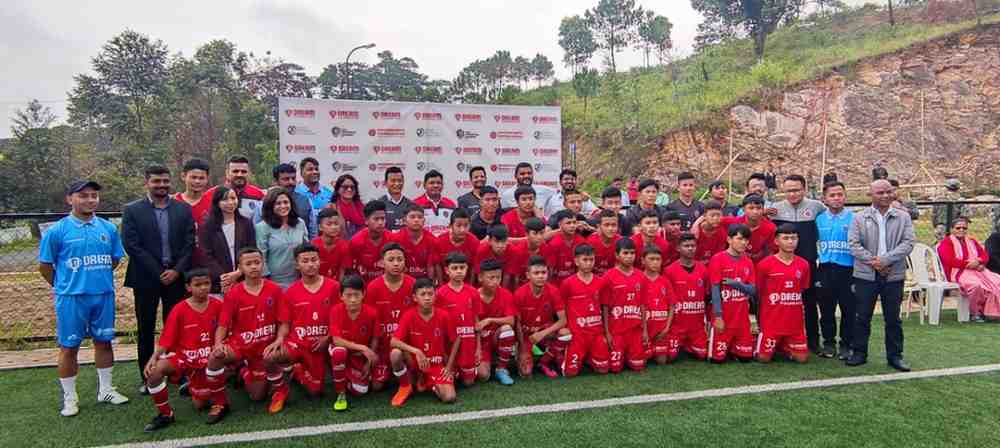
Bhaichung Bhutia Football Schools spread one legend’s coaching philosophy across a dozen Indian cities instead of staying in a single location.
Bhaichung Bhutia, one of India’s most decorated national team captains, founded and lent his name directly to the schools he now oversees.
The academy trains children from age five through seventeen and sends them into inter-regional tournaments for real competitive exposure, rather than keeping them in local friendlies alone.
Spreading a dozen city centres builds wide grassroots reach, which few academies match. The tradeoff is that resources get split thin, making it harder to match the depth of a single elite campus.
10. South United FC: Bengaluru’s Original Private Academy

South United FC opened before most Indian Super League academies existed, betting on private ownership instead of corporate backing.
Owner Sharan Parikh, educated at Sevenoaks in the United Kingdom and the University of Michigan, built the club’s residential program from scratch and still runs it today.
SUFC has trained more than 13,000 players over the years, and 79 of them have gone on to represent their states in the Santosh Trophy.
Those numbers show huge grassroots reach for a privately funded club. Very few of those thousands progress to the ISL or I-League, a gap common to most Indian academies outside the elite five.
Also Read
Conclusion: Bengaluru FC, Minerva and Reliance Foundation Lead India’s Elite Academies
A record 142 academies applied for AIFF accreditation in the 2025-26 cycle, and only seven of them cleared the four-star or five-star bar, a tougher pass rate than in previous seasons.
Ranjit Bajaj’s Minerva Academy still holds the standout individual achievement on this list. Its under-16 side beat Liverpool’s youth team 6-0 and swept three separate European youth tournaments in a single year, a feat no five-star academy on this list has matched.
Bengaluru FC Academy first earned its five-star rating in November 2024, becoming the only Indian club academy to hit the maximum score that year. Reliance Foundation Young Champs and Punjab FC only caught up to that five-star tier in the following accreditation cycle.
Corporate money clearly buys infrastructure, but it does not buy the kind of statement Minerva made in Europe. Indian football’s next decade will likely belong to whichever academies combine both: real funding and Bajaj’s kind of stubborn, competitive hunger.