


GD in football stands for Goal Difference. It tells you how many more goals a team has scored than it has conceded across a competition.
Every league table carries this number. It creates genuine drama at the sharp end of seasons, separating teams when points are equal. Clubs fight for every goal because of it.
By the end of this article, you will know what GD means, how to calculate it, why it matters in standings, and how it has decided some of the most dramatic finishes in football history.
How Is GD Calculated In Football?
Every single goal a team scores or lets in throughout a season feeds directly into its GD. One poor defensive display can shift a team’s position overnight. That is what makes tracking this number so important week by week.
Goal Difference Formula: GF – GA = GD
- GD = Goals For (GF) – Goals Against (GA)
- Positive GD example: A team scores 50 goals and concedes 30. Their GD is +20.
- Negative GD example: A team scores 20 goals and concedes 30. Their GD is -10.
| Team | GF (Goals For) | GA (Goals Against) | GD |
|---|---|---|---|
| A | 50 | 30 | +20 |
| B | 20 | 30 | -10 |
Team A sits comfortably above Team B in the standings. Those 20 extra goals reflect weeks of relentless attacking effort, defensive discipline, and clinical finishing across a full campaign.
What Is GF, GA, And GD In Football?
GF, GA, and GD are the three goal-based columns that define a team’s performance on any football points table.
- GF shows how many goals a team has scored in total across the season or tournament.
- GA stands for Goals Against, the total conceded.
- GD is the difference between them.
A high GF paired with a low GA produces a strong positive GD. Together, the three figures give a complete picture of both attacking output and defensive solidity across a season.

In the 2026 FIFA World Cup group stage, GD serves as the tie-breaker for ranking third-placed teams across all 12 groups, sitting directly below points in the hierarchy for that specific ranking table (per FIFA’s official 2026 tournament regulations).
Why Is GD Important In Football Standings?
GD separates teams when points fail to do so. In the Premier League, it sits directly below points as the first tie-breaker.
That forces clubs to chase goals even when one win would be enough. A better GD decides titles, prevents relegation, and secures continental spots.
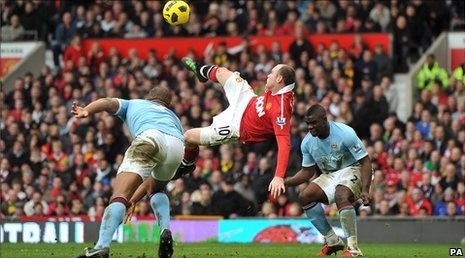
Manchester City and Manchester United both finished 2011/12 on 89 points. City’s GD was eight goals better. Aguero’s 94th-minute goal against QPR clinched it. The only Premier League title ever decided by goal difference.
Goal Difference vs Head-to-Head: What’s the Difference?
Both methods separate teams on equal points but follow completely different logic.
GD uses a team’s total goal record across all matches. The Premier League and Bundesliga apply it as the first separator after points. Head-to-head looks only at the results between the tied teams. La Liga and Serie A use this first before GD.

In the 2026 FIFA World Cup group stage, FIFA returned to head-to-head as the primary tie-breaker, with GD stepping in only after all head-to-head criteria are exhausted.
Is GD a Fair Tie-Breaker?
GD has clear strengths and real criticisms attached to it, and both are worth understanding.
Pros:
- Simple and transparent: Any fan can calculate it in seconds. No hidden formulas or subjective criteria involved.
- Performance-based: It rewards teams that score freely and concede rarely across the full season, not just in selected games.
- Keeps games alive: Teams cannot coast through matches. A side chasing GD will attack until the final whistle, which makes football more exciting to watch.
Cons:
- The “running up the score” problem: Teams chasing GD late in a season can pile goals onto weaker opponents. Many fans and coaches find this unsportsmanlike and disconnected from the spirit of fair competition.
- Lopsided wins carry too much weight: A 6-0 win against a bottom club produces the same GD movement as six separate 1-0 wins. That can feel disproportionate.
Historically, GD replaced Goal Average (Goals For divided by Goals Against) in English football in 1976. The Football Association moved to GD because it was simpler, fairer to calculate, and easier for fans to follow.
Conclusion: Goal Difference Defines Rankings When Teams Share Points
GD means more than basic math. It captures the balance between scoring and defending.
It shapes title races, relegation fights, and European spots. Clubs that respect GD push for a second goal when one would do. They stay defensively sharp even in comfortable wins. That mindset makes football better for everyone watching.
As long as competitions rank teams by points first, GD will keep matches aggressive, competitive, and meaningful until the final whistle.
FAQs
GD stands for Goal Difference. It measures the gap between the total goals a team has scored and the total goals it has conceded across a competition.
GF is Goals For (total goals scored), GA is Goals Against (total goals conceded), and GD is the numerical difference between those two figures on the standings table.
Subtract the total goals conceded (GA) from the total goals scored (GF). The result, whether positive or negative, is the team’s Goal Difference for that competition.
On a points table, GD is a column showing each team’s goal surplus or deficit. It functions as the primary tie-breaker when two or more teams finish level on points in many competitions.
A higher, positive GD is better. It signals a team has scored significantly more than it has conceded, reflecting strong attacking and defensive performance across the season.
The next criterion applies, which varies by competition. In most FIFA tournaments, the next step is Goals For. If still level, fair play points apply, and drawing of lots serves as the last resort.